Long-Term Work Visa Application Process and Required Documents
Uzun süreli çalışma vizesi başvuru adımlarını ve gerekli belgeleri detaylı şekilde ele ala...
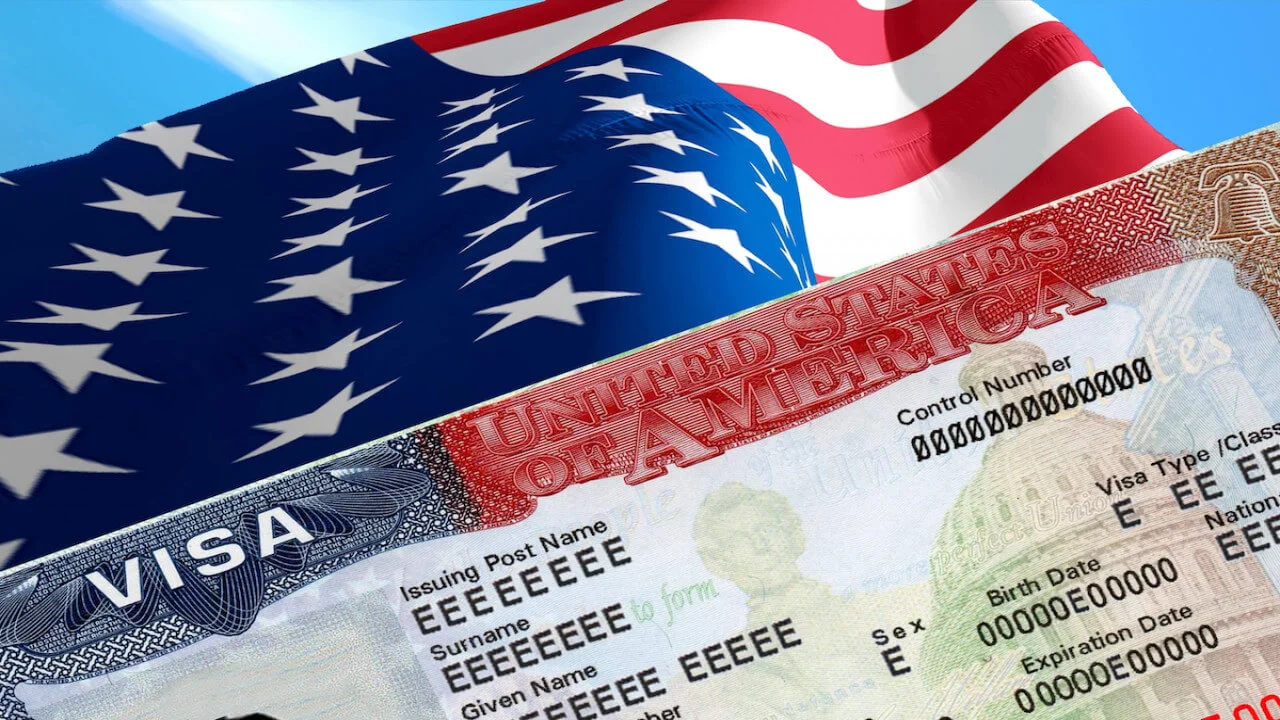
For individuals wishing to travel to the United States, there are various types of visas available. These visas are categorized based on the purpose of travel and the length of stay. Generally, U.S. visas are divided into immigrant and non-immigrant categories. Immigrant visas are for those who wish to live and work permanently in the U.S., while non-immigrant visas are required for short-term visits. Common non-immigrant visas include tourist visas (B-2), business visas (B-1), student visas (F-1 and M-1), exchange visitor visas (J-1), and temporary work visas (such as H-1B, L-1, O-1). Immigrant visas are issued to individuals seeking permanent residency through family sponsorship, employment, or investment. Determining the correct visa type depends on your travel purpose and intended duration of stay.
Non-immigrant visas are required for short-term visits to the U.S. A tourist visa (B-2) is for traveling for leisure, visiting family or friends, or receiving medical treatment. A business visa (B-1) is used for business meetings, conferences, and research. Student visas (F-1 and M-1) are for those enrolling in academic or vocational programs. Exchange visitor visas (J-1) are for students, teachers, and researchers participating in exchange programs. Temporary work visas (H-1B, L-1, O-1, etc.) are for skilled workers and professionals employed in the U.S. for a specific period. These visas are suitable for temporary stays and can sometimes be extended or converted into permanent residency.
Immigrant visas are for individuals who want to live and work permanently in the United States. Family-based visas allow U.S. citizens or permanent residents to bring family members, including spouses, children, parents, and siblings. Employment-based visas are for highly skilled workers and professionals seeking permanent employment in the U.S. Investor visas (EB-5) allow individuals to gain permanent residency by making a qualifying investment that contributes to the U.S. economy. Additionally, permanent residency can be obtained through the Diversity Visa Lottery. Immigrant visas generally involve a more complex and lengthy application process.
The U.S. visa application process varies depending on the type of visa. Generally, applicants must complete the DS-160 form for non-immigrant visas or the DS-260 form for immigrant visas. These forms require detailed personal information, travel plans, and previous travel history. After completing the form, applicants must pay the visa fee and schedule an appointment. During the appointment, applicants provide biometric data (fingerprints and photo) and attend an interview. Required documents include passport, DS-160 or DS-260 confirmation page, photograph, payment receipt, and additional documents based on visa type.
The interview is a crucial part of the U.S. visa application. Conducted at the U.S. Consulate or Embassy, it evaluates the applicant’s travel purpose, plans, and intent to return. Applicants must answer honestly and clearly. Consular officers will ask questions to verify the purpose of the visit. Staying calm and confident is important. Providing documents supporting travel plans and financial stability, such as employment letters and bank statements, strengthens the application. After the interview, the consulate reviews the application and notifies the applicant of the visa decision.
When applying for a U.S. visa, applicants should provide detailed travel plans, including travel dates, accommodation arrangements, and planned activities. This demonstrates a well-prepared and credible trip, increasing the likelihood of approval. Hotel bookings and flight reservations support the travel plan, showing where and how the applicant will stay and travel. Clearly state the purpose of travel and activities. For tourism, include sightseeing plans; for business or family visits, include meeting schedules or family details. Clear travel plans improve the chances of visa approval.
U.S. visa applicants must prove they can cover travel expenses. Documents such as bank statements, salary slips, or sponsorship letters should be provided. These show financial independence during the trip. Financial documents should be current and accurate. Bank statements should cover the last six months with sufficient balance. Salary slips should prove a regular income. If sponsored, include a sponsorship letter and the sponsor’s financial documents. Demonstrating financial stability increases the likelihood of visa approval.
Some U.S. visa applications require travel insurance covering medical emergencies and return expenses, with a specified coverage amount. Insurance must be valid for the entire travel period. It provides financial protection and improves approval chances. Other requirements may include criminal background checks, health reports, or vaccination records depending on the visa type. Meeting all these requirements is crucial for successful visa approval.
During the U.S. visa application, fees and processing times must be considered. Fees vary by visa type and are paid as part of the application. Processing times depend on the visa type and application volume, typically taking a few weeks. Applicants should apply well in advance of travel. Being patient and regularly checking the application status is recommended. Paying attention to each step, including choosing the correct visa type, preparing documents, proving financial stability, clarifying travel plans, meeting insurance and other requirements, and preparing for the interview, is key to a successful U.S. visa application.