
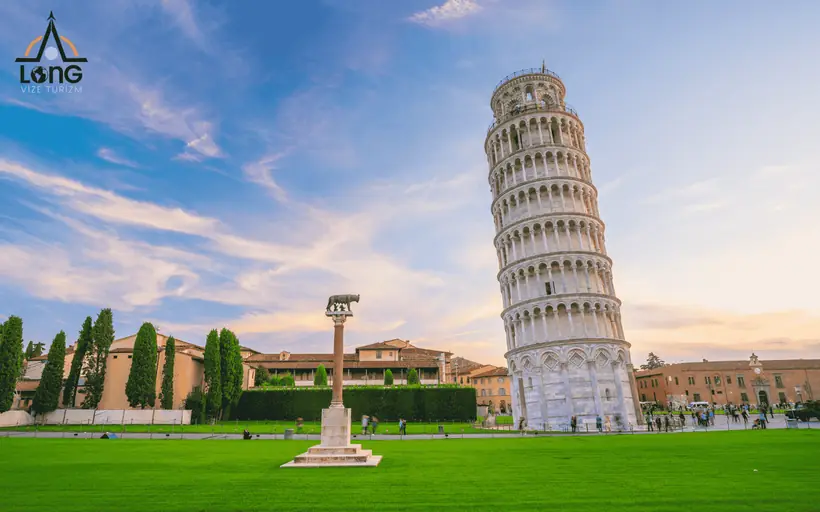
Italy Visa
Italy is one of the Schengen countries with the highest number of applications from Turkey due to its historic cities, Mediterranean coasts, artistic heritage, fashion and business centers, educational institutions, and family visit connections. Individuals who wish to travel to Italy for tourism, business meetings, fairs, family visits, short-term education, work, or long-term stays must match their travel plan with the correct visa category. Since Italy is part of the Schengen Area, Schengen visa rules apply to short-term trips not exceeding 90 days. For longer-term education, work, family reunification, or settlement plans, the national visa process is evaluated.
The main purpose of Italy visa procedures is for the applicant to clearly show the reason for travel with documents. The application form, visa request petition, flight and hotel reservations, invitation letter, bank account statement, professional documents, and travel health insurance must support the same travel plan. A mismatch between the appointment category and the documents in the application file is as important a problem as missing documents. Therefore, before starting the application, the question “Which visa type should I apply for?” must be answered correctly.
Before starting application preparation, submitting travel information through the visa pre-application form helps the file to be prepared in a more controlled manner. During the preliminary assessment, the purpose of travel, duration of stay, applicant’s professional status, whether a sponsor is required, previously obtained Schengen visas, and appointment planning are reviewed together.
First Decision for an Italy Visa: Schengen or National Visa?
The first distinction in an Italy visa is between a short-term Schengen visa and a long-term national visa. Trips not exceeding 90 days for tourism, family visits, business meetings, fairs, short-term courses, conferences, or temporary visits are generally evaluated under a Type C Schengen visa. This visa type allows a maximum stay of 90 days within a 180-day period. Whether the visa is single-entry, double-entry, or multiple-entry is determined according to the decision made after the application.
For individuals who plan to stay in Italy for more than 90 days for education, work, family reunification, settlement, or long-term research, the national visa process applies. In national visa applications, the short-term tourist document logic is not sufficient. Educational acceptance documents, work permit-related documents, long-term accommodation plans, financial resources, and category-specific official documents must be prepared in more detail. Applying under the wrong category may cause the process to take longer or result in a negative evaluation of the application.
Who Needs an Italy Visa?
Citizens of the Republic of Turkey who hold ordinary burgundy passports must obtain a Schengen visa for short-term trips to Italy. Holders of special green passports, service gray passports, and diplomatic black passports may benefit from visa exemption for short-term trips not exceeding 90 days within a 180-day period under certain conditions. However, for travel purposes such as long-term education, work, or residence, different application requirements may arise regardless of passport type.
Foreign nationals with a residence permit in Turkey who wish to travel to Italy must also check visa requirements according to their own nationality. The country where the application will be submitted is evaluated not only according to the country of residence, but also according to passport nationality and purpose of travel. Therefore, passport type, nationality, and residence status should be reviewed together before applying.
Main Destination Rule in Italy Applications
One of the most commonly confused issues in Italy visa applications is the main destination rule. If the applicant is traveling only to Italy, the application is naturally submitted through Italy. However, if the travel plan also includes France, Germany, Switzerland, or other Schengen countries, the total duration of stay must be evaluated. If the longest stay will be in Italy, an Italy application is considered correct. If the duration of stay is equal, the first country of entry becomes important. If this rule is not applied correctly, the file may appear inconsistent with the travel plan.
How Is the Italy Visa Application Process Planned?
An Italy visa application should be prepared by following a specific order. The first step is to determine the purpose of travel. The second step is to check whether Italy is the main travel destination. If more than one Schengen country will be visited, the country where the longest stay will take place should be the country of application. If the duration of stay is equal, the first country of entry may be taken into account. In the third step, the application category is selected and the documents suitable for this category are prepared.
In the next stage, the application form is completed, the passport is checked, biometric photographs are prepared, travel health insurance is arranged, and financial and professional documents are obtained. For invited applications, an invitation letter is added to the file; for business applications, company letters are added; and for education applications, acceptance documents are included. On the appointment day, documents are submitted through the application center and, if required, the biometric process is completed.
Required Documents for an Italy Visa
The required documents for an Italy visa may vary depending on the type of application, the applicant’s professional status, and the purpose of travel. For short-term Schengen applications, the following documents are generally prepared:
- Valid passport
- Schengen visa application form
- Biometric photograph
- Copy of Turkish ID card
- Full civil registry record
- Visa request petition
- Flight reservation or travel plan
- Hotel reservation or document regarding the invited address
- Travel health insurance
- Bank account statement
- Income documents
- SGK service statement, employment entry declaration, and payslip for employees
- Tax certificate, certificate of activity, signature circular, and trade registry gazette for company owners
- Student certificate and sponsor documents for students
- Retirement certificate and income documents for retirees
- Invitation letter and documents of the inviting person for invited applications
The documents must be up to date and legible. The bank statement, hotel reservation, flight plan, and travel dates in the petition must show the same date range. It is important that the name, surname, passport number, and date information in the documents are consistent with the application form.
Passport, Photograph, and Travel Health Insurance
In Italy Schengen visa applications, the passport is expected to have been issued within the last 10 years, remain valid for at least 3 months after return from travel, and have at least two blank pages. If the passport is worn, has damaged pages, or is difficult to read, it is better to renew it before applying. If old passports contain previously obtained Schengen visas, photocopies may be added to the file.
The biometric photograph must be recent, clearly show the applicant’s face, and be prepared in accordance with Schengen photo requirements. Travel health insurance must be valid throughout the entire Schengen Area, cover the travel dates, and have sufficient coverage for emergency medical expenses and repatriation costs. The information on the insurance policy must match the passport exactly.
Italy Tourist Visa
The Italy tourist visa is the visa type applied for by individuals who wish to travel to the country for holidays, sightseeing, cultural exploration, or short-term personal travel. People who want to visit cities and regions such as Rome, Milan, Florence, Venice, Naples, Pisa, the Amalfi Coast, or Sicily should present their travel plans realistically in the file. In tourist applications, accommodation, transportation, financial sufficiency, and ties to return to Turkey are important.
A tourist visa does not grant the right to work, earn commercial income, or obtain long-term residence in Italy. The applicant must clearly state the purpose of travel in the petition and explain where they will stay and how they will cover expenses. Individuals who want general information about tourist applications can review the tourist visa page.
Italy Tourist Visa Documents
- Passport
- Schengen application form
- Biometric photograph
- Tourist visa request petition
- Round-trip flight reservation
- Hotel reservation
- Travel health insurance
- Bank account statement
- Payslip or income documents
- Copy of ID card
- Civil registry record
Italy Business Visa
The Italy business visa is a short-term Schengen visa applied for by individuals who will travel for business meetings, fairs, conferences, contract negotiations, company visits, or establishing business connections. In business applications, an invitation letter from the company or institution in Italy and an assignment letter prepared by the company in Turkey are among the main documents of the file.
The invitation letter must include the name, address, and contact details of the inviting institution, the name and position of the inviting person, the purpose of travel, and the planned meeting dates. The company letter from Turkey must state the applicant’s role, reason for travel, who will cover the expenses, and that the applicant will continue working after the trip. In business files, company documents, the invitation letter, and travel dates must support the same purpose.
Italy Family and Friend Visit Visa
Individuals who want to visit family members, relatives, or friends living in Italy can apply for a family and friend visit visa. In these applications, the invitation letter is an important supporting document. The inviting person’s identity or residence details, address in Italy, contact information, relationship to the applicant, and accommodation support must be clearly stated.
Although the invitation supports the application, it is not sufficient on its own. The applicant’s employment, education, family, and financial ties in Turkey must also be visible in the file. It must be explained with documents that the trip is temporary, that the applicant will return to Turkey after the visit, and how the expenses will be covered.
Italy Education and Work Visas
Individuals who will attend a short-term course or non-academic education program in Italy may be evaluated under a short-term Schengen visa. However, if the education period exceeds 90 days, the national visa process applies. In education applications, the school acceptance letter, program dates, payment details, accommodation plan, and financial resources are important.
Applications for work, internship, long-term research, or settlement are evaluated under special categories. In these types of applications, official documents showing the employment relationship, acceptance process, or legal permit stages are required. It is not appropriate to work or plan long-term education with a short-term tourist visa.
Italy Visa Form and Petition Preparation
The Italy visa form is one of the main documents of the application. The form includes the applicant’s personal information, passport details, purpose of travel, length of stay, accommodation details, and who will cover the expenses. The information on the form must not contradict the petition, reservation, invitation, insurance, or bank documents. Missing signatures, incorrect dates, or selecting the wrong category may negatively affect the application process.
The visa request petition is the official text explaining the applicant’s purpose of travel. The petition must clearly state why the applicant is traveling to Italy, between which dates they will stay, where they will stay, how expenses will be covered, and that they will return to Turkey at the end of the trip. The petition samples page can be used for petition preparation.
Italy Visa Appointment
The Italy visa appointment is the stage where the application file is submitted and, when required, biometric procedures are completed. The category selected when scheduling the appointment must match the content of the application file. Booking a tourist appointment and submitting a business invitation, or preparing completely tourist documents for a business appointment, may cause the application not to be accepted or disrupt the process.
Before the appointment day, the passport, form, photograph, petition, insurance, reservations, bank account statement, and professional documents should be checked one last time. Applicants who do not have a valid Schengen biometric record may be required to provide fingerprints. Attending the appointment with missing documents may put the applicant’s travel date at risk.
How Many Days Does It Take to Get an Italy Visa?
The processing time for an Italy visa may vary depending on the application type, workload of the application center, public holidays, additional document requests, and the quality of the file. In short-term Schengen applications, the process can generally be completed within a few weeks. For long-term national visa applications, it is more difficult to give a fixed processing time; each file is reviewed according to its own category.
To avoid problems with travel plans, the application should not be left to the last days. Appointment availability, document preparation, biometrics, consular evaluation, and passport return should be considered together. It is especially advantageous to act earlier during the summer season, public holidays, and busy application periods.
Italy Visa Fee
The Italy visa fee may vary depending on the application type, age group, short-term Schengen or national visa category, service fee of the application center, and selected additional services. In addition to the short-term Schengen visa fee, additional costs such as application center service fees, courier, SMS, photography, document scanning, travel health insurance, or consultancy fees may arise.
If the visa application is rejected, the paid visa and service fees may not be refunded. Therefore, before payment is made, the correct category must be selected, the document list must be checked, and current fee information must be obtained. For current fees and application planning, support can be requested through the Long Vize contact page.
What Should Be Done If an Italy Visa Is Rejected?
If an Italy visa is rejected, the reason for refusal should be examined carefully. Financial documents being considered insufficient, failure to clearly explain the purpose of travel, mismatch between appointment category and file content, inability to show that Italy is the main travel destination, date inconsistencies between documents, or weak return ties may be among the reasons for refusal.
If a new application will be made, previous mistakes must be corrected. Instead of applying again with the same documents, the petition should be strengthened, bank account activity should be made more explainable, the travel plan should be prepared more realistically, and invitation or sponsor documents should be rearranged if necessary.
Suggestions for a Strong Italy Visa File
- The application category must be selected in full accordance with the purpose of travel.
- It must be shown with documents that Italy is the main travel destination.
- Passport validity and blank page status must be checked from the beginning.
- The application form must be completed fully and accurately.
- The petition must be prepared in a simple, clear manner and be consistent with the documents.
- The bank account statement must be up to date and explainable.
- Hotel and flight reservations must support the same date range.
- In business applications, the invitation letter and company letters must complement each other.
- In sponsored applications, the relationship with the sponsor must be shown with official documents.
- In a new application after refusal, previous issues must definitely be corrected.
Places to Visit in Italy
Italy is one of the richest countries in Europe from a tourism perspective. Historic cities, coastal regions, museums, art galleries, and gastronomy routes make it possible to create different travel plans. The travel itinerary submitted in the visa application must be realistic and supported by accommodation documents.
- Rome
- Milan
- Florence
- Venice
- Naples
- Pisa
- Bologna
- Amalfi Coast
General Information About Italy
- Capital: Rome
- Official Language: Italian
- Currency: Euro
- Telephone Code: +39
- Region: Southern Europe
- Popular Travel Purposes: Tourism, business, family visits, education, fashion, fairs, and cultural travel
Frequently Asked Questions
Is an Italy visa a Schengen visa?
Yes. Short-term Italy trips not exceeding 90 days are evaluated under the Schengen visa system.
How to get an Italy visa?
The purpose of travel is determined, the correct visa category is selected, documents are prepared, an appointment is scheduled, and the application file is submitted to the authorized application center.
Which documents are required for an Italy tourist visa?
Passport, application form, photograph, petition, flight and hotel reservations, travel health insurance, bank account statement, and professional documents are among the basic documents.
Is an invitation letter required for an Italy business visa?
Yes. In business applications, submitting an invitation letter from the company in Italy and an assignment letter from the company in Turkey strengthens the file.
Is an invitation letter sufficient for an Italy family visit visa?
No. The invitation letter is an important document; however, the applicant’s financial situation, ties in Turkey, and intention to return must also be shown.
How many days does it take to get an Italy visa?
The processing time may vary depending on the application type, workload, public holidays, and additional document requests. It is recommended to apply early before travel.
Is the Italy visa fee fixed?
No. The fee may vary depending on the application type, age group, service fees, and periodic updates. The current fee should be checked before applying.