
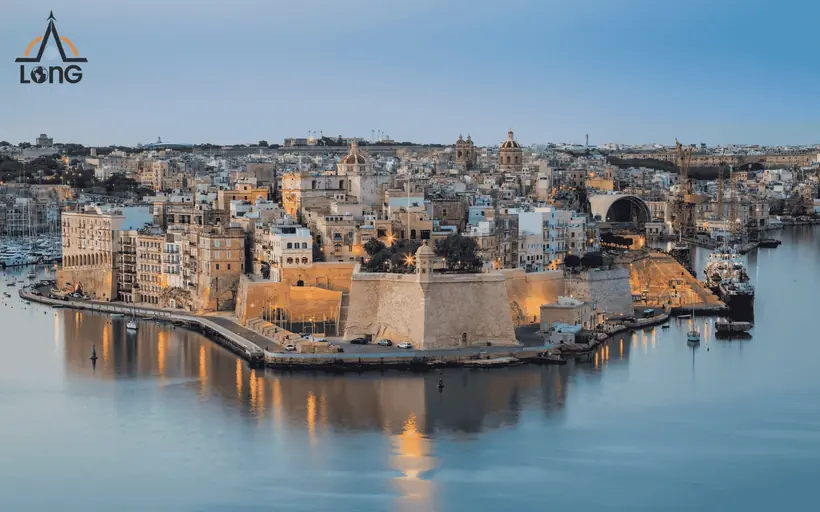
Malta Visa
The Malta visa is a Schengen visa that citizens of the Republic of Turkey who wish to travel to the Republic of Malta for tourism, family visits, business meetings, short-term education, language school, conferences, or transit purposes must evaluate according to their passport type and travel plan. Although Malta is an island country located in the middle of the Mediterranean, it should not be considered only as a “holiday country” in terms of visas. Since the country is part of the Schengen Area, the rule of staying for a total of 90 days within a 180-day period applies to short-term travel. Therefore, the applicant should plan not only to obtain entry permission to Malta, but also to apply to the correct country, at the correct application time, and with the correct documents within the Schengen system.
The source text includes information such as the application form, fingerprinting, VFS, appointment, tourist visa, business visa, family and friend visit, travel health insurance, application fee, biometric photo, an approximate processing time of 15 days, and Malta being evaluated within the scope of the Schengen visa. In this article, we address the same information not with a repetitive classic heading structure, but through questions such as “Is Malta the main travel country, which passports are subject to a visa, how does the VFS process proceed, and what distinction should be made in education and language school applications?”
People planning to travel to Malta can start the initial evaluation by submitting their travel dates, passport type, accommodation plan, professional status, whether there is an invitation letter, previously obtained Schengen visas, and purpose of travel through the visa pre-application form. The preliminary check determines whether the application should be prepared under the scope of a tourist, business, family visit, short-term education, language school, conference, transit, or long-term national visa.
First Check in a Malta Application: Schengen C Visa or Long-Term Process?
For Malta, the first distinction must be made between a short-term Schengen C visa and a long-term stay application. For travel not exceeding 90 days, such as holidays, city trips, family visits, friend visits, business meetings, fairs, seminars, conferences, short-term courses, or short language education, a Schengen C visa comes into question. This visa grants the right to stay for a total of up to 90 days within a 180-day period across the entire Schengen Area. If the person has spent time in Italy, Germany, France, Spain, or another Schengen country during the same period, those days are also included in the total calculation.
For language schools exceeding 90 days, university education, work, internships, family reunification, residence, or long-term project plans, a short-term Schengen visa may not be sufficient. In such a case, Malta’s national visa, residence permit, or special permit processes should be evaluated. It is not correct to work in Malta, receive long-term education, or settle in the country with a short-term tourist visa. If the purpose of application is determined correctly from the beginning, the file can be prepared more consistently.
Malta Visa According to Passport Type
Citizens of the Republic of Turkey holding ordinary burgundy passports are subject to a visa for travel to Malta. Diplomatic black passport, service grey passport, and special green passport holders may benefit from visa exemption for short-term travel. However, this exemption should be evaluated for short-term tourism, business, or visit-purpose stays not exceeding 90 days within 180 days. For purposes such as long-term education, work, residence, or family reunification, different permit processes may come into effect regardless of passport type.
The passport is expected to have been issued within the last 10 years, remain valid for at least 3 months after returning from travel, be undamaged, and have at least two blank pages. Copies of previous Schengen visas in old passports may support the application file. However, previous visa history does not mean that the new application will be automatically approved. Each new application is evaluated based on its own purpose of travel, financial situation, and ties to return.
Application Matrix for a Malta Visa
Purpose of Travel Application Logic Documents That Stand Out in the File Tourist holiday Short-term Schengen C visa Hotel, flight, travel plan, bank statement, and insurance Family or friend visit Invited Schengen application Invitation letter, inviting person’s details, and address of stay Business meeting or fair Business Schengen application Invitation from Malta, assignment letter from Turkey, and company documents Short-term language school Schengen or different application depending on duration Acceptance letter, payment document, accommodation, and financial documents Education or work exceeding 90 days National visa or residence process Institution acceptance, employer documents, and long-term permit documentsHow to Obtain a Malta Visa?
To obtain a Malta visa, the purpose of travel and duration of stay are first determined. Then the Schengen visa form is completed, the passport is checked, a biometric photo is prepared, travel health insurance is arranged, flight and accommodation documents are created, financial documents are obtained, and supporting documents are added according to professional status. In family visit applications, an invitation letter; in business applications, a company invitation; and in education applications, an acceptance letter and payment details are included in the file.
After the application file is prepared, an appointment is made and the documents are submitted at the application center. Biometric procedures are important in Malta applications. Even though fingerprint records of people who have previously provided fingerprints for a Schengen visa may be considered valid for a certain period, the application center or mission may request biometrics again when necessary. Therefore, applicants should not act with the assumption that “I previously gave fingerprints, so I definitely do not need to go in person.”
What Should Be Considered in the VFS and Appointment Process?
The VFS Global application center process is used in Turkey for short-term Malta Schengen visa applications. VFS handles administrative stages such as file acceptance, biometrics, appointment, document submission, and passport return. However, the visa decision is made not by the application center, but by Maltese authorities. Therefore, submitting the documents completely is important; however, the final assessment is made based on the applicant’s purpose of travel, financial strength, ties to return, and consistency of documents.
Schengen applications can be made up to 6 months before the travel date. The application must be submitted at least 15 calendar days before travel; however, this period may not be sufficient during busy periods. It may become difficult to find appointments during the summer season, holidays, school breaks, language school periods, and times when European travel increases. Therefore, practical planning for Malta applications is to start file preparation approximately 4–6 weeks before travel.
Required Documents for a Malta Visa
The required documents for a Malta visa may vary depending on the purpose of travel, the applicant’s professional status, and whether a sponsor is used. In short-term Schengen applications, the following documents are generally prepared:
- Valid passport
- Malta Schengen visa application form
- 2 current biometric photos
- Copy of Turkish ID card
- Full civil registry record
- Visa request petition
- Flight reservation or transportation plan
- Hotel reservation or address information of the place of stay
- Travel health insurance with coverage of at least 30,000 Euros
- Bank statement
- Salary slip, income certificate, or sponsor documents
- Workplace leave letter and SGK service record for employees
- Tax certificate, activity certificate, and signature circular for company owners
- Student certificate, sponsor documents, and school letters for students
- Invitation from the person or institution in Malta for invited applications
- Company invitation and assignment letter from the employer in Turkey for business applications
The documents must be up to date, legible, and consistent with one another. The travel dates on the form, flight plan, hotel reservation, insurance policy, and explanation in the petition must be the same. The bank statement must show regular income and financial sufficiency to cover travel expenses. High amounts deposited into the account at the last minute without explanation may raise additional questions instead of strengthening the file.
Malta Tourist Visa
The Malta tourist visa is a short-term Schengen visa applied for by people who want to visit Valletta, Sliema, St. Julian’s, Mdina, Gozo, Comino, Blue Lagoon, Marsaxlokk, Blue Grotto, or historic temples. In a tourist application, it must be shown with documents that the trip is for holiday and sightseeing purposes, that the applicant will not work in Malta, will not earn commercial income, and will return to Turkey at the end of the trip.
In a tourist file, hotel reservation, transportation plan, travel itinerary, bank statement, professional documents, travel health insurance, and visa request petition stand out. Since Malta is a small island country, it is important that the plan is prepared realistically. Instead of listing too many cities and islands for a trip of a few days, presenting a simple travel plan suitable for the duration of stay is more understandable. People who want general information about tourist applications can review the tourist visa page.
Malta Family and Friend Visit
People who will visit a family member, relative, or friend living in Malta can apply under the family and friend visit category. In this file, the invitation letter is an important supporting document. The inviting person’s name, address, contact information, legal status in Malta, relationship with the applicant, visit dates, and accommodation support must be written clearly. If the inviting person is not a Maltese citizen, a residence card or legal stay document may support the file.
The invitation letter strengthens the application; however, it is not sufficient on its own. The applicant must also show their work, education, family, or financial ties in Turkey. If the inviting person will cover the expenses, this must be supported with the invitation letter and financial documents. If the applicant will cover their own expenses, bank statement, salary slip, or sponsor documents must be included in the file. For petition preparation, the petition samples page can be used.
Malta Business Visa
The Malta business visa is prepared for people who will travel for business meetings, fairs, seminars, conferences, company visits, investment meetings, contract evaluations, or professional organizations. In a business application, the invitation from the company or institution in Malta is at the center of the file. The invitation must state the institution’s name, address, contact details, purpose of the meeting, date range, and commercial relationship with the applicant.
The assignment letter prepared by the company in Turkey must explain the applicant’s position, why they are being sent to Malta, who will cover travel expenses, and that they will continue their current duty after returning. A business Schengen visa should not be used to actually work or receive a salary in Malta. If a short-term business meeting and the purpose of employment are confused, problems may arise both in the application and upon entry into the country.
Malta Language School and Short-Term Education Applications
Malta is one of the countries that receives frequent applications from Turkey due to English language schools. Program duration is critically important when applying for language education. A short-term course or language education not exceeding 90 days may, in some cases, be evaluated under a Schengen C visa. However, if the duration of education exceeds 90 days, a national visa or long-term permit process may come into effect.
In education applications, the school acceptance letter, course duration, payment receipt, accommodation plan, sponsor documents, bank statement, and documents showing the student’s ties in Turkey must be prepared. If the student does not cover their own expenses, a sponsor petition and the sponsor’s income documents must be added to the file. The education purpose must appear in the same way on the form, petition, and acceptance letter.
Malta Travel Health Insurance
Travel health insurance is one of the mandatory documents in Malta Schengen applications. The policy is expected to be valid throughout the entire Schengen Area, cover the travel dates, and include coverage of at least 30,000 Euros. The source text states that the insurance should also cover a certain period after return from travel. When preparing the current file, the insurance conditions stated in the application center and mission checklist should be taken into account.
Travel health insurance should not be seen merely as a formality. In Malta, insurance protects the traveler in cases of illness, accident, emergency treatment, hospital expenses, or unexpected health situations. The name, passport information, and date range on the insurance policy must be consistent with the information in the application file. A policy with incorrect dates or insufficient coverage may make it difficult for the file to be processed.
Consistency in Form, Petition, and Financial Documents
The Malta visa form is the official source of information for the application. The form includes fields such as personal information, passport details, purpose of travel, duration of stay, accommodation address, inviting person or institution information, and who will cover the expenses. The information on the form must be consistent with the passport, petition, reservation, insurance, invitation letter, and bank documents. An incorrect passport number, missing signature, or wrong date may cause the application to be delayed.
The visa request petition is the supporting text explaining the applicant’s purpose of travel. The petition should state why the applicant is traveling to Malta, between which dates they will stay, where they will stay, how expenses will be covered, and that they will return to Turkey at the end of the trip. In a tourist application, the sightseeing purpose; in a business application, the business meeting; in a family visit, the relationship with the inviting person; and in an education application, the program details must be clearly explained.
How Many Days Does It Take to Get a Malta Visa?
The source text states that the Malta visa is generally finalized within approximately 15 days. In current Schengen practice, the standard decision period is considered 15 calendar days in most applications; however, in cases of additional review, workload, public holidays, missing documents, or individual circumstances, this period may extend up to 45 calendar days. Therefore, the information “it is issued in 15 days” should not be considered a definite guarantee.
The applicant must consider appointment availability, document preparation, biometrics, transfer of the file to the mission, decision process, and passport return together. Malta may receive high demand especially during the summer season and language school periods. Applications made only a few days before travel carry a high risk of delay. For safe planning, it is recommended to start procedures at least 30 days before travel.
Malta Visa Fee
The Malta visa fee may vary according to items such as the Schengen visa fee, VFS service fee, courier, SMS, photo, document scanning, travel health insurance, translation, or consultancy. Fees may differ depending on age group, application type, and periodic updates. The fee structure of a short-term Schengen application and a long-term education or work application may not be the same.
If the visa application is rejected, the official fee and service fees may not be refunded. Therefore, before making payment, the application type, purpose of travel, passport information, and document list must be checked. For current fees and application planning, support can be requested through the Long Visa contact page.
What Happens If Malta Is Not the Main Travel Country?
If a Malta visa application will be made, Malta must be the main travel country. If the person will stay in Malta for the longest period, the application can be made through Malta. If the duration of stay is equal, the first country of entry may be taken into account. However, if the applicant will only make a short transit through Malta and will have their main accommodation in Italy, France, Spain, or another Schengen country, the application country should be reevaluated.
For example, a plan of 5 nights in Malta and 2 nights in Rome may support a Malta application. On the other hand, in a plan with 1 night in Malta, 6 nights in Rome, and return from Italy, Malta remains weak as the main travel country. In multi-country routes, hotel reservations, intercity transportation, flight plan, and petition must show the same travel sequence.
Checklist That Reduces the Risk of Rejection
- It must be shown with documents that Malta is the main travel country.
- It should not be forgotten that burgundy passport holders are subject to a Schengen visa.
- The application can be made up to 6 months before travel.
- The appointment and biometrics process should not be left until the final week.
- The passport must remain valid for a sufficient period after returning from travel.
- The dates on the form, petition, reservation, insurance, and invitation letter must be consistent.
- Bank account movements must appear regular and explainable.
- The inviting person’s details must be clear in a family visit application.
- In a business application, the invitation letter and assignment letter must support each other.
- A purpose of working or long-term stay should not be hidden with a short-term visa.
Brief Travel Information About Malta
Capital Valletta Official Languages Maltese and English Currency Euro Dialing Code +356 Prominent Routes Valletta, Mdina, Sliema, St. Julian’s, Gozo, Comino, Blue Lagoon, Marsaxlokk Common Travel Purposes Tourism, language school, trade, family visit, conference, and Mediterranean routeFinal Evaluation Before Application
Before applying for a Malta visa, it must be checked whether the file correctly explains the purpose of travel. A tourist application should not describe a business meeting, a business application should not lack an invitation letter, a family visit application should not have an unclear inviting person’s address, and in a language school application, the acceptance document and program duration must be clearly visible in the file. Insurance, flight, accommodation, bank documents, and petition must support the same dates.
A strong Malta file is created not by submitting too many documents, but by matching the correct documents with the correct travel structure. The applicant must be able to clearly show what they will do in Malta, how many days they will stay, how they will cover the expenses, and why they will return to Turkey at the end of the trip. In Schengen applications, the main country rule, 90/180-day calculation, passport validity, biometrics, and financial sufficiency are the key points of the file.
Frequently Asked Questions
Is the Malta visa a Schengen visa?
Yes. Since Malta is part of the Schengen Area, Schengen visa rules apply to short-term travel.
For whom is a Malta visa mandatory?
Citizens of the Republic of Turkey holding burgundy passports are subject to a visa for travel to Malta. Green, grey, and diplomatic passport holders may be exempt from a visa for short-term travel.
Where is the application for a Malta visa made?
Short-term Malta Schengen applications are made through the VFS Global application center in Turkey. VFS accepts the file; the decision is made by Maltese authorities.
How many days does it take to get a Malta visa?
The source text highlights an approximate period of 15 days. In current Schengen practice, the standard period is 15 calendar days in most files, but in case of additional review, the process may extend up to 45 days.
Is an invitation letter required for a Malta family visit visa?
Yes. An invitation letter showing the inviting person’s address, legal status, relationship, and visit dates strengthens the file.
Can someone work with a Malta business visa?
No. A business Schengen visa is for short-term meetings, fairs, and business discussions. Different permit processes are required to work in Malta.
Which visa is obtained for a Malta language school?
If the program duration does not exceed 90 days, a short-term Schengen application may be evaluated. For longer education, the national visa or residence process should be checked.