Long-Term Work Visa Application Process and Required Documents
Uzun süreli çalışma vizesi başvuru adımlarını ve gerekli belgeleri detaylı şekilde ele ala...
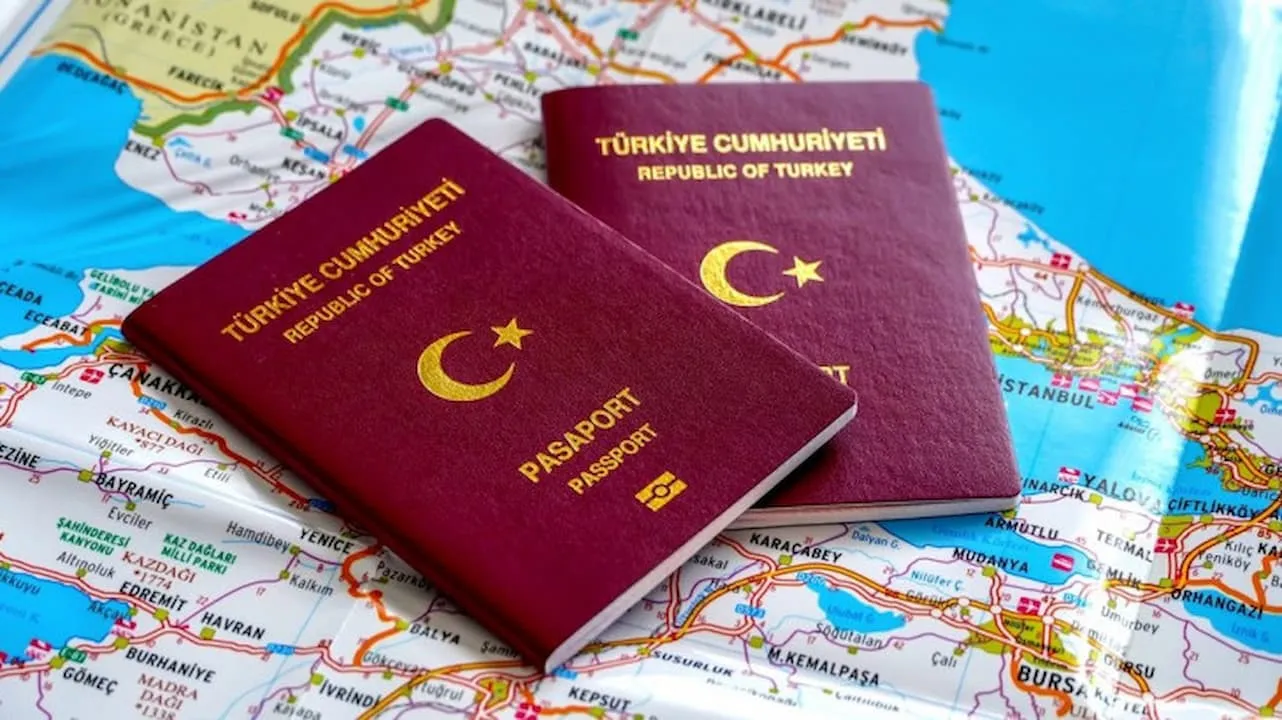
When applying for a tourist visa, the first step is to determine the correct visa type. Each country has different visa types, each with its own requirements. For example, some countries offer short-term tourist visas, while others may offer different visas for longer stays. To determine which visa type you should apply for, it is important to clarify the purpose and duration of your trip. Choosing a visa type that matches your travel purpose ensures a smooth and fast application process. To determine the correct visa type, you can obtain information from the consulate or embassy websites of the country you are applying to. Additionally, you can get assistance from visa consultancy services. Correctly determining your visa type reduces unnecessary time loss and the risk of your application being rejected. Therefore, carefully evaluate the details of your trip and conduct the necessary research to select the most suitable visa type.
For a tourist visa application, gathering the required documents is one of the most important steps. Documents such as your passport, biometric photo, application form, travel health insurance, proof of financial status, flight tickets, and hotel reservations must be complete and up-to-date. Preparing your documents accurately and completely increases the likelihood of a successful application. Missing or incorrect documents can lead to your application being rejected. When preparing your documents, carefully check the document lists on the consulate or embassy website of the country you are applying to. Make sure the documents are current and meet all instructions. It is also useful to have both originals and copies of your documents. Ensure that the information on your application form matches your documents. This increases the chances of your application being approved.
The application form is one of the most critical stages of a tourist visa application. It is very important that all information provided is accurate and complete. Providing incorrect or incomplete information can result in your application being rejected. When filling out the form, you should provide complete details about your personal information, travel plans, purpose of travel, and financial status. After completing the form, review your information to check for any errors or omissions. When filling out the application form, ensure you answer each question honestly and clearly. Providing incorrect information can not only result in your current application being rejected but may also cause problems in future applications. Carefully review the form after completion to confirm all information is correct. This step is critical to a successful application.
As part of the visa application process, you must pay the application fee. Fees vary depending on the visa type and country. After paying the fee, it is important to keep the receipt, as you may need to present it during your application. Payments are usually made online, and you should proceed carefully during this process. After paying the application fee, keep the receipt in your application file. Before going to the application center, check all documents again and ensure nothing is missing. Keeping your fee receipt helps the application process run smoothly. After paying, you can proceed with booking an appointment at the application center.
For a tourist visa application, you usually need to schedule an appointment with the consulate or embassy. You can use the official website of the country to book your appointment. During booking, prepare all necessary documents and complete your application file. When planning for the appointment date and time, make sure your documents are complete and you arrive on time. On the day of the appointment, go to the application center, submit your documents, and, if necessary, complete biometric procedures. Collecting biometric data such as fingerprints and photos may be part of the application process. Ensure your documents are complete and accurate, and the application form is fully filled out. The appointment process is usually quick, but arriving on time and having all documents ready is important.
Some countries may require applicants to attend a visa interview for a tourist visa. During the interview, questions about your travel plans, purpose of travel, and financial situation may be asked. Being honest and sincere during the interview is important for a positive outcome. Before the interview, prepare for possible questions. During the visa interview, answer calmly and confidently to increase the likelihood of approval. You may need to confirm the accuracy of information previously provided in the application form. At the end of the interview, the status of your application is determined, and if approved, your visa will be stamped in your passport. Being prepared for the interview is a critical step for a successful application process.
After completing the visa application, you can track its status online. Knowing the status of your application allows you to monitor the progress of its processing. If approved, your visa will be issued in your passport. If rejected, you can learn the reason, correct the issue, and reapply. During the processing period, be patient and, if necessary, contact the consulate to inquire about your application status. If your application is rejected, understanding the reasons and making corrections before reapplying is essential for success. Once approved, pay attention to your visa’s validity and plan your trip accordingly.
After receiving your visa, you can begin preparing for your trip. Arrange your flight and accommodation, obtain travel insurance, and complete any other necessary preparations. Additionally, learn about the entry and exit rules, local laws, and cultural norms of the country you are visiting to ensure a smooth trip. During your travels, pay attention to the validity period of your tourist visa and do not exceed it. During your trip, be prepared for potential issues to make your travel safer and more enjoyable. Learn emergency numbers and basic local phrases to help if needed. Keep important documents secure and act quickly in case of loss to ensure a smooth travel experience.