Long-Term Work Visa Application Process and Required Documents
Uzun süreli çalışma vizesi başvuru adımlarını ve gerekli belgeleri detaylı şekilde ele ala...
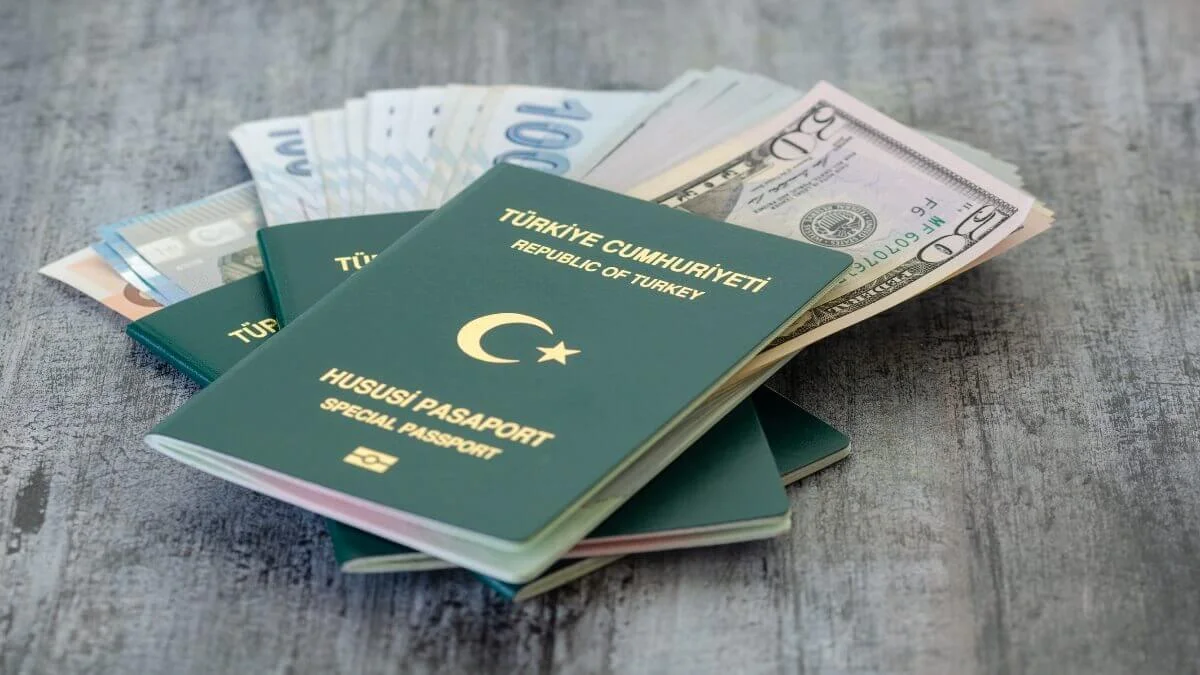
In visa applications, it is crucial for applicants to prove that they can cover their travel expenses. Consulates and embassies require documents demonstrating the applicant's financial situation to assess whether they are financially sufficient. These documents should show that the applicant can comfortably cover accommodation, transportation, and other living costs during the trip. Proving financial capability increases the likelihood of visa approval and ensures the credibility of the application. The importance of financial status guarantees that the applicant remains financially independent throughout the travel period and avoids any financial difficulties. This is critical both for the applicant's safety and for maintaining the social and economic order of the destination country. Applications that fail to sufficiently prove financial capability are often rejected, making it essential to meet this requirement during the application process.
One of the most commonly used financial documents in visa applications is bank statements. Bank statements show the applicant's account activity and current balance. These documents prove that the applicant has a regular income and sufficient funds to cover travel expenses. Typically, statements from the last three to six months are required. Bank statements must be official and up-to-date. They should be presented on the bank's letterhead, with the bank's signature and stamp. Additionally, the statements must clearly show the applicant's name, account number, and current balance. These documents increase the credibility of the application and play a key role in proving financial sufficiency.
Pay slips are another frequently requested financial document in visa applications. They show that the applicant has a regular income sufficient to cover travel expenses. Typically, pay slips from the last three to six months are required. These documents should be obtained from the applicant’s employer and include the employer’s signature and stamp. In addition to pay slips, self-employed individuals and business owners may provide income documents such as tax returns, income statements, and business account summaries. These documents clearly demonstrate the applicant’s financial standing and sources of income. They prove that the applicant is financially capable of covering travel expenses.
In some cases, applicants may require a sponsor to cover travel expenses. In such cases, a sponsorship letter must be provided. The sponsorship letter is an official document in which the sponsor commits to covering the applicant's travel costs. The letter should include detailed information about the sponsor’s financial status and their relationship with the applicant. In addition to the sponsorship letter, the sponsor’s financial documents should also be submitted, including bank statements, pay slips, and income records. The sponsor’s financial situation should demonstrate that they can comfortably cover the applicant’s expenses. The relationship between the sponsor and the applicant should also be clearly stated. Sponsorship letters and documents prove the financial reliability of the application and guarantee that travel expenses will be covered.
In visa applications, additional proof of financial status can be provided through property and other asset documents. Property documents demonstrate ownership of real estate and its value. These include title deeds, rental contracts, and property valuation reports. These documents show that the applicant is financially stable and capable of covering travel expenses. Additionally, other assets owned by the applicant can be used to demonstrate financial capability. These assets may include vehicle registrations, investment account statements, stock certificates, and valuable items. These documents help provide a comprehensive assessment of the applicant’s financial situation and increase the credibility of the application.
For student visa applications, the financial status of the student is also carefully evaluated. Students must provide financial documents proving they can cover education and living expenses. These documents may include bank statements, scholarship certificates, student loan documents, and sponsorship letters. Students must have a regular income or receive financial support sufficient to cover educational costs. Scholarship certificates indicate that part or all of the student’s tuition is covered and must be issued by the granting institution officially. Student loan documents demonstrate the loan obtained to cover educational expenses, including the loan amount, repayment plan, and confirmation of approval. All these documents prove that the student is financially sufficient and can meet educational expenses.
When applying for a visa, financial documents must be submitted completely and accurately. These documents should be provided along with the application form and any other documents requested by the consulate or embassy. Originals or notarized copies are required for evaluation. Complete and accurate documents ensure the application is processed quickly and smoothly. When submitting documents, ensure all information is current and correct. Bank statements, pay slips, sponsorship letters, and other financial documents should clearly demonstrate the applicant’s financial standing. Documents must also be consistent with other information provided in the application form. Meeting all these requirements increases the likelihood of a successful visa application.
One common issue with financial documents in visa applications is missing or insufficient documentation. This can be resolved by providing additional documents or updating existing ones. For example, if bank statements are outdated, new statements should be obtained and added to the application file. If pay slips are insufficient, supplementary income documents can be provided. Another common issue is failing to provide originals or notarized copies. In this case, originals or notarized copies must be obtained and added to the application file. Additionally, documents not in the required language of the destination country may pose a problem. They should be translated into English or the official language of the country where the application is submitted. Identifying and addressing these issues in advance increases the chances of visa approval. Proving financial capability in a visa application is crucial for the successful completion of the process. Bank statements, pay slips, sponsorship letters, property, and other asset documents demonstrate that the applicant has sufficient funds and can cover travel expenses. Submitting these documents accurately and completely ensures smooth processing and increases the likelihood of a successful application.