Long-Term Work Visa Application Process and Required Documents
Uzun süreli çalışma vizesi başvuru adımlarını ve gerekli belgeleri detaylı şekilde ele ala...
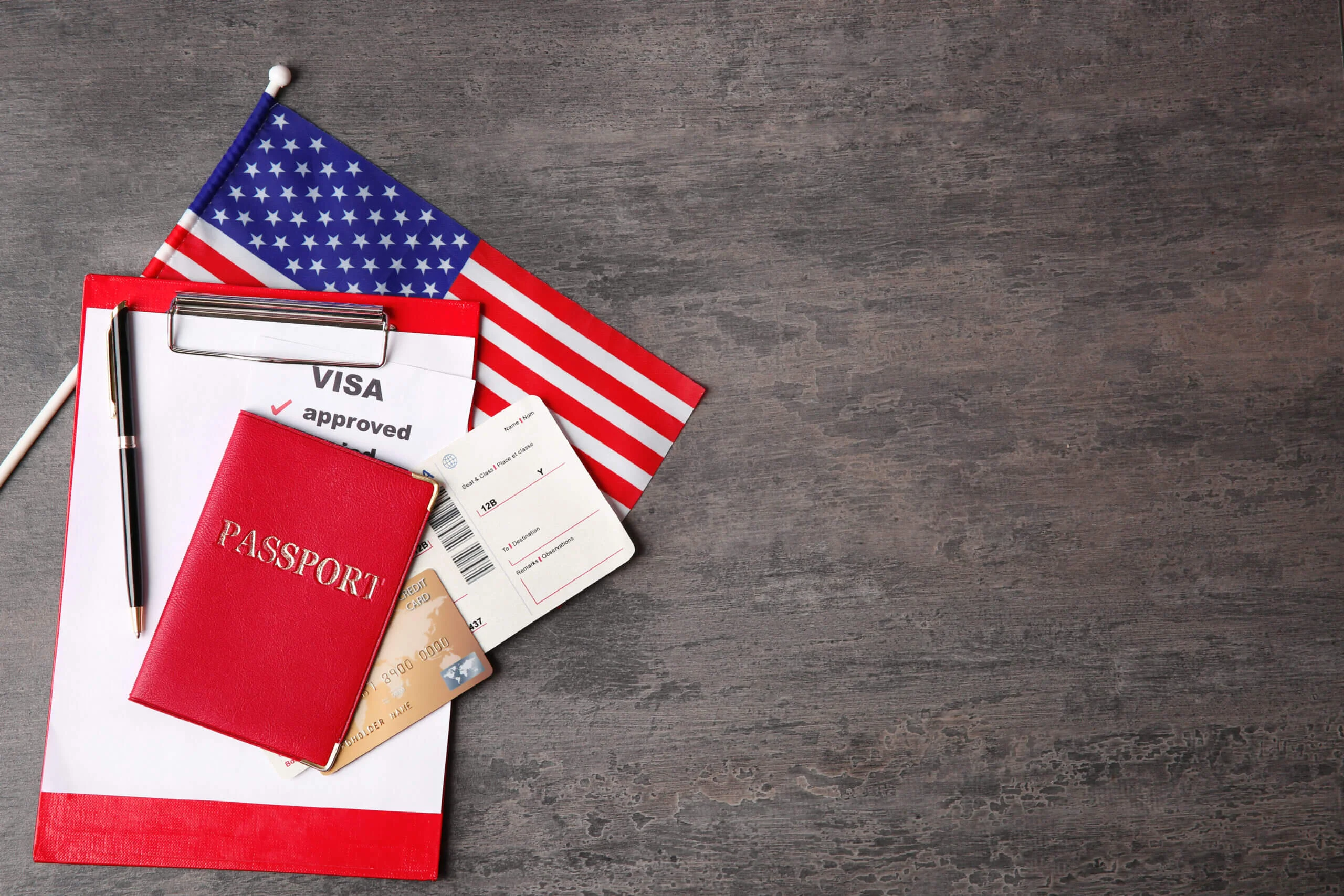
Your passport is the most important document that proves your identity and citizenship for international travel. When applying for a visa, it is critical that your passport is valid for at least six months beyond the planned end date of your trip. This period provides security in case of travel extensions or unexpected delays. Also, make sure your passport has at least two blank pages, as some countries may require multiple pages for visas and entry/exit stamps.
Biometric photos required for your visa application must have been taken within the last six months and clearly show your face. The background is usually required to be white and free from shadows or reflections. Accessories such as glasses, hats, or headscarves are generally not accepted unless for religious or medical reasons. Photo dimensions and other technical specifications may vary by country, so carefully review the specific requirements of the country you are applying to.
The visa application form is one of the most critical components of the visa process. This form asks detailed questions about your personal information, travel plans, financial status, and previous travel history. When completing the form, read each question carefully and provide clear, accurate, and consistent answers. Incorrect or incomplete information may result in your application being rejected, so do not hesitate to provide additional explanations if necessary.
Most countries now use online application systems. These systems usually allow you to save and edit the form later, but some countries do not allow changes once the form has been submitted. Therefore, it is important to have all necessary information and documents ready before starting. Also, ensure that the information on the form is consistent with the other documents you submit. For example, your employment information should match your employment certificate, and your address should align with your bank statements.
Accommodation and flight reservations are important for demonstrating the seriousness and details of your travel plans. These documents give visa authorities a clear idea of your length of stay, destinations, and travel route. However, making firm and non-refundable reservations before obtaining a visa can be risky. Most consulates or embassies accept cancellable reservations.
For hotel reservations, many online booking platforms offer free cancellation options. This provides flexibility if your visa application is denied or your travel plans change. For flights, airlines often offer pre-booking or reservation-holding options. Some airlines allow you to lock in a fare for a short period for a small fee. Temporary reservations made through travel agencies are also generally accepted. It is essential that these reservations are real and match the travel dates you indicate in your application.
Financial documents play a critical role in visa applications because they demonstrate that you can support yourself during your trip and have sufficient resources for your return. Typically requested documents include bank statements from the last 3–6 months, salary slips, tax returns, and any investment documents. These show regular income flow and savings. Showing only a high bank balance is not sufficient; visa authorities also assess the legitimacy and stability of your income sources.
If your trip is sponsored, documents showing the sponsor’s financial status and an official sponsorship letter will also be required. The sponsorship letter should clearly indicate the sponsor’s identity, their relationship with you, and how they will finance your travel. Some countries may also require you to demonstrate the ability to cover a minimum daily expense. All financial documents must be current, official, and, if necessary, certified by a bank or employer.
Employment or education documents are important to demonstrate your ties to your home country and your intention to return after your trip. If you are employed, you will need a leave letter from your employer or a copy of your employment contract. This should include your job position, duration of employment, salary, and approved leave dates. A letter from your employer confirming your travel and your return to work is also useful.
For students, an updated student certificate and a letter confirming school attendance are required. These should include your academic status, department, duration of study, and expected graduation date. If applying for an exchange program or study abroad, include your acceptance letter and program details. Retirees should provide retirement documents and proof of pension income. These documents show regular income sources and motivation to return to your home country.
Travel insurance is required by many countries for visa applications. It provides financial protection for health issues, accidents, or other emergencies during your trip. Your policy should cover the entire planned travel period and generally include a minimum coverage of 30,000 Euros (or equivalent). Ensure the policy covers emergency medical treatment, hospital expenses, medications, and repatriation if necessary.
When choosing travel insurance, consider the specific requirements of the country you are applying to. Some countries accept only policies from approved insurance providers. Also, your policy must match the travel dates indicated in your visa application. Usually, an official document issued by the insurance company, including policy number, coverage details, and validity dates, will be required. Some consulates may confirm directly with the insurance company, so it is critical that the information provided is accurate and current.
The visa application fee is one of the final steps in the application process and varies by country and visa type. The fee is usually paid during the application or sometimes at the time of booking an appointment, and in most cases, it is non-refundable. Therefore, it is important to check the exact visa fee and ensure it fits your budget before applying. Some countries charge different fees for different nationalities, so verify the fee specific to your country.
Payment methods may vary by consulate or embassy. Some accept credit cards, bank transfers, or postal checks, but cash is usually not accepted. Ensure you pay the correct amount in the specified manner, as incorrect or incomplete payments may prevent your application from being processed. Additionally, some countries may charge extra fees for visa application center services, including processing, biometric data collection, or passport delivery. Knowing and preparing for all these fees in advance helps ensure a smooth application process.