Long-Term Work Visa Application Process and Required Documents
Uzun süreli çalışma vizesi başvuru adımlarını ve gerekli belgeleri detaylı şekilde ele ala...
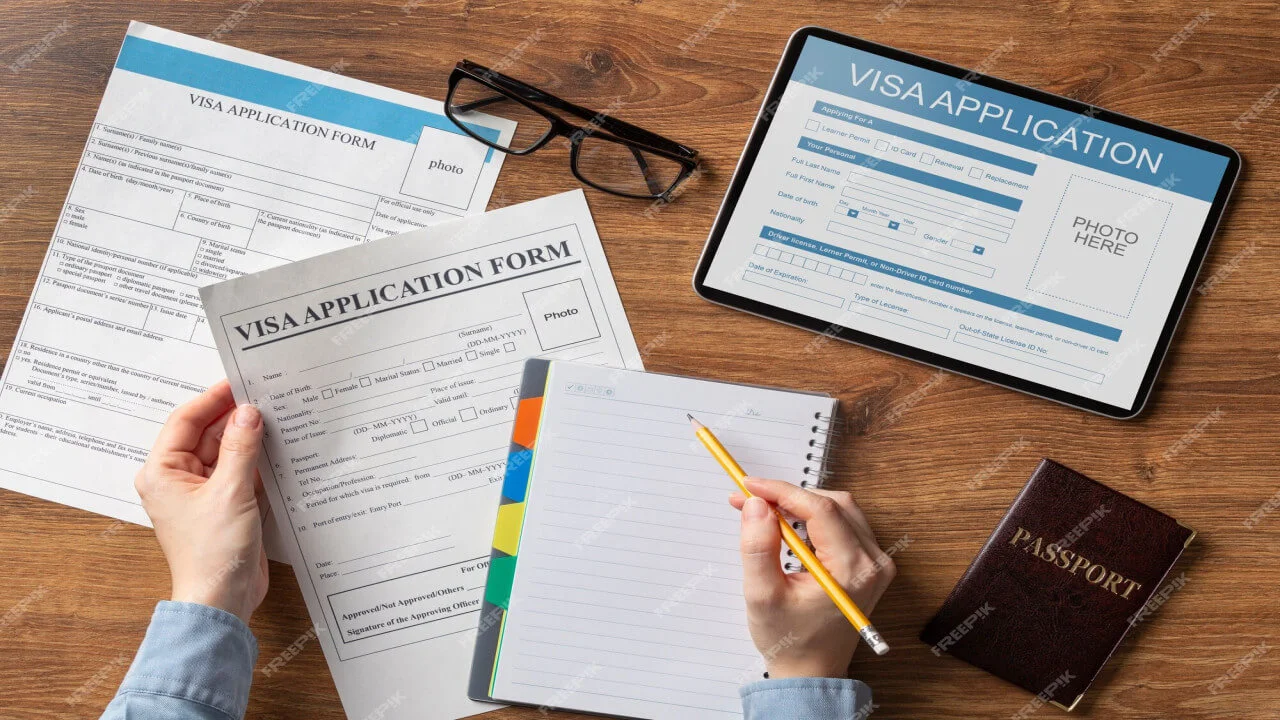
When applying for a visa, the essential documents typically include: a valid passport, completed visa application form, biometric photo, travel health insurance, flight reservations, accommodation details, and financial proof. Your passport should be valid for at least three more months beyond your intended stay and have at least two blank pages. The visa application form must be completed accurately and without omissions. Travel health insurance should provide coverage of at least €30,000 and be valid throughout the Schengen Area. Flight reservations and accommodation details are required to confirm your travel plans. To demonstrate financial stability, you may need to submit bank statements or payslips. Additionally, employment or education documents may also be requested. These documents are critical for the evaluation of your application and must be submitted completely and correctly.
The processing time for visa applications depends on the destination country and the season. Schengen visa applications typically take up to 15 business days. However, during peak seasons or in cases of incomplete documentation or further review, this period may be extended. It is important to stay in contact with the consulate to track your application status and prevent potential delays. To speed up the process, submit all required documents accurately and on time. Also, consider the volume of applications during busy travel seasons and apply well in advance of your intended travel dates. Doing so increases the likelihood of receiving your visa in time.
If your visa application is denied, you should first contact the consulate to understand the reasons for the rejection. The refusal letter will explain the shortcomings or errors. You can correct these and reapply. Alternatively, you also have the right to appeal the decision. When writing your appeal letter, address the issues noted in the refusal, correct the errors, and provide additional explanations if needed. Carefully reviewing the reasons for rejection and submitting an improved application may increase your chances of approval. During the appeal process, it is important to follow up with the consulate and ensure all documents are thoroughly reviewed.
Visa fees vary depending on the visa type and destination country. The standard application fee for a Schengen visa is approximately €80. Fees for other visa types, such as student, work, or family reunification visas, may differ. Visa application centers may also charge a service fee. You can find the most current visa fee information on the official website of the consulate of the country you are applying to. When paying your visa fee, make sure to check the specific fees applicable to your visa type and destination. Also, account for service fees and any additional costs involved. Referring to official sources ensures accurate financial planning throughout your application process.
Booking an appointment is one of the first steps in the visa application process. You can do this via the official website of the destination country’s consulate or through the online appointment system of the visa application center. On your appointment day, you must visit the consulate or visa center with all required documents. When booking, be sure to choose a date that aligns with your travel plans. Being meticulous during the appointment booking process and preparing your documents in advance will ensure your application proceeds smoothly. Choosing the right date and verifying all paperwork will help make the process faster and more efficient.
Yes, travel insurance is mandatory for most visa applications. For Schengen visas, the travel health insurance must provide a minimum coverage of €30,000 and be valid in all Schengen countries. This insurance covers medical emergencies, accidents, and unforeseen situations. Make sure the insurance policy is valid at the time of application, and include proof of coverage with your application documents. Travel insurance offers financial protection against unexpected health issues or emergencies during your trip. Therefore, selecting the right policy and submitting it properly plays a vital role in the success of your visa application.
When applying for a visa, you must prove your financial means through documents such as recent bank statements, payslips, or a sponsorship letter. Your bank statements should cover the last three months and show sufficient funds. These financial documents are necessary to demonstrate that you can support yourself during your stay abroad. If you are employed, a letter of leave or payslip from your employer may also be required. Providing accurate and complete financial documentation significantly increases the likelihood of a successful application. These documents are key to demonstrating your reliability and financial capability to the consular authorities.
An invitation letter is a document written by the person or institution you plan to visit. It should clearly state the purpose of your trip. The letter must include the inviter’s full name, address, contact details, and information about where you will stay during your visit. Invitation letters are often required for family visits, business meetings, or cultural events. The letter must be written formally and signed. The invitation letter should clearly express the purpose of your trip and provide detailed information about your itinerary, accommodation, and the person extending the invitation. A well-prepared letter will support the credibility of your application and increase your chances of approval.