Long-Term Work Visa Application Process and Required Documents
Uzun süreli çalışma vizesi başvuru adımlarını ve gerekli belgeleri detaylı şekilde ele ala...
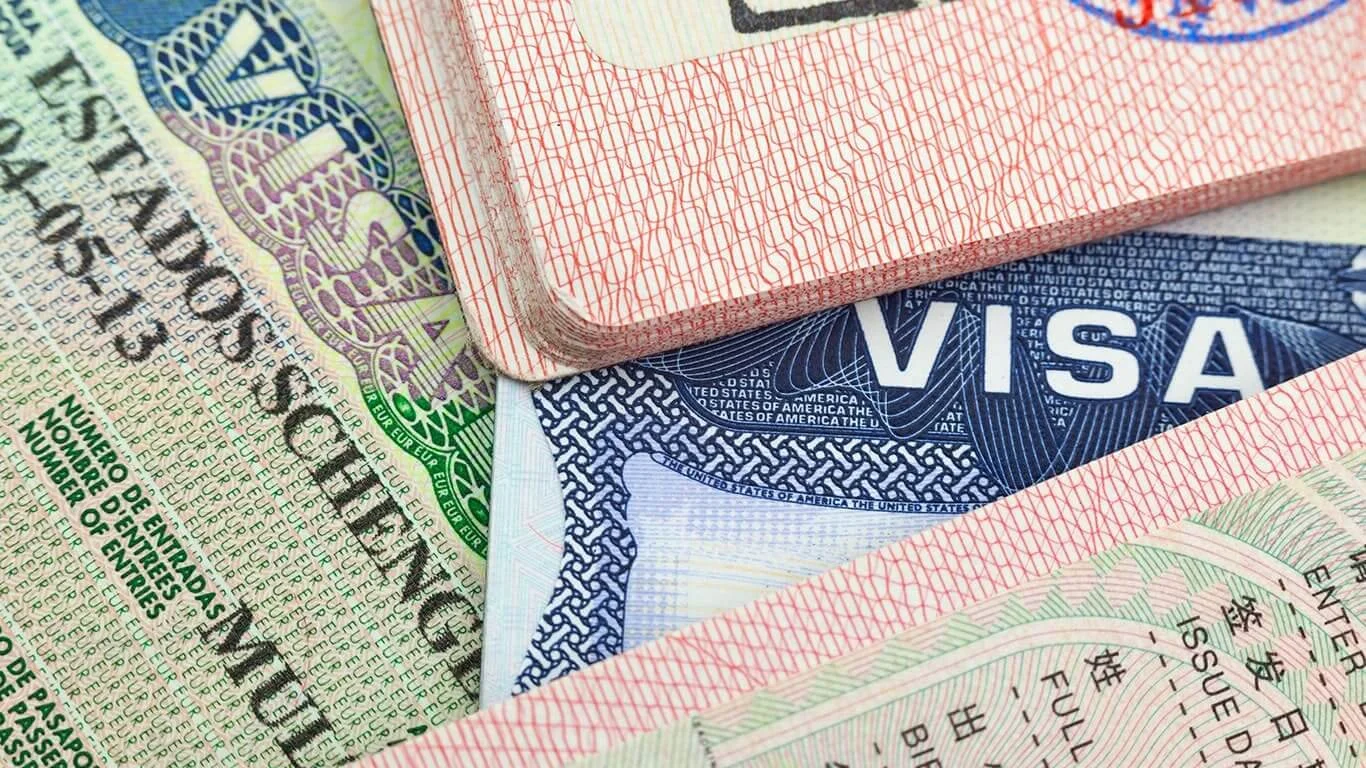
"What is a Visa?" has become an indispensable part of international travel. A visa is the process by which a country grants permission for citizens of another country to enter, exit, or transit. Many countries around the world implement visa requirements for foreign nationals wishing to cross their borders. A visa allows citizens of one country to enter or stay in another country for a specific period. This article will cover visa types, the visa application process, the importance of visas, and visa policies in detail.
The visa application process generally includes the following steps:
Understanding the types of visas is one of the most important steps in planning travel for anyone wanting to travel worldwide. This guide examines various visa types, their characteristics, and application processes in detail.
A tourist visa is designed for short-term travel for tourism purposes. This type of visa is generally issued for a specific period and may include multiple entries within that period.
Business visas are issued for travel for work purposes, typically for short-term business meetings, conferences, or negotiations.
A student visa, issued for long-term stays for educational purposes, allows students to stay in the country for the duration of their studies.
A transit visa is required in some countries when passing through airports or ports en route to another country. It is generally short-term and valid only for a specific transit period.
This visa type allows family members to live together. It is used for spouses, children, or other relatives.
Visa types and application processes vary according to each country’s laws and policies. Travelers should carefully understand the visa requirements and procedures of their destination country.
The visa application process is one of the most critical and sometimes complex parts of global travel planning. Depending on the country you wish to visit, this process requires accurate information and careful planning. This guide explains the steps to follow during a visa application and provides tips for successfully completing the process. The visa application process is a fundamental step in international travel, with each country having its own procedures. It usually begins with filling out a detailed application form from the relevant consulate or embassy, including personal information, travel purpose and plans, and accommodation details. Applicants may need to provide a valid passport, current photos, financial documents, travel and health insurance, and sometimes letters of invitation or sponsorship. Many visa applications involve an interview to verify the purpose of travel and eligibility for entry. Payment of the visa fee and tracking the application are also important steps. Each step is crucial for the success of the application, ensuring the official permission necessary for international travel.
The first step in a visa application is completing the form obtained from the consulate or embassy website or directly at the consulate. This form includes personal details, travel plans, and visa purpose. Providing accurate and complete information is critical for a successful application.
Required documents generally include passport, biometric photos, travel insurance, travel plan, accommodation details, and proof of financial means. In some cases, invitation or sponsorship letters may also be required. All documents must be valid and up-to-date.
Some countries require a personal interview. Applicants must schedule an appointment with the relevant consulate or embassy. During the interview, questions about the information provided in the application form and the purpose of travel may be asked. Clear and precise explanation of the travel purpose is important.
The visa application generally requires a fee, paid either at the time of application or appointment. The amount and payment method vary by country.
After submission, the application status must be monitored and the visa collected. Some countries offer online tracking, while others require direct contact with the consulate or embassy. Upon approval, the visa is usually issued with the passport. Careful and timely completion of each step ensures successful international travel.
Visa policies are an integral part of international relations and diplomacy. Different countries’ visa policies not only determine entry conditions for foreign nationals but also reflect their foreign policy stance. Some countries establish visa-free agreements to strengthen diplomatic relations, while others enforce strict visa requirements due to security concerns or political tensions. These policies directly affect international collaboration, tourism, trade, and cultural exchange. Flexibility or rigidity in visa policies can influence a country’s global attractiveness and interactions. Visa policies thus represent strategic decisions and diplomatic approaches, beyond technical travel requirements.
Visas open the door to international travel, enabling citizens to explore across borders. A country’s visa policy reflects security, economic, and diplomatic priorities while facilitating cultural exchange, business, and tourism. Visa-free agreements demonstrate trust and cooperation between countries, while strict policies may reflect political or security concerns. Innovations like e-visa systems make international travel more accessible, making visas both a physical and symbolic gateway connecting people, cultures, and ideas worldwide.
Visa denial can be disappointing, but it can be addressed. Common reasons include incomplete or incorrect documents, insufficient proof of funds, unclear travel purpose, or security concerns. Most countries provide a letter explaining the reason for denial, which serves as the starting point for an appeal. The appeal process usually involves submitting additional documents or clarifications. Duration varies by country and visa type. A successful appeal results in reconsideration and possible approval, allowing applicants to strengthen their case. Proper preparation and documentation are key to navigating visa denial and appeals.
Visa fees affect travel costs and vary by country and visa type. Tourist, business, student, and transit visas each have different fees. Fees are paid during application or at the interview and are usually non-refundable. Cost management involves researching requirements and fees in advance to avoid unnecessary expenses. Additional costs may include document preparation and travel insurance. Visa fees and careful budgeting are essential for efficient travel planning.
Preparing the correct documents is crucial. Standard requirements include a valid passport, recent biometric photos, visa application form, travel plan, and accommodation details. Passports should be valid for at least six months after travel. Proof of purpose and financial means is also important. For tourist visas, hotel reservations and return flight tickets; for business visas, invitation letters or company sponsorship; for student visas, acceptance letters and proof of educational funding are required.
E-Visa systems simplify international travel by digitizing most of the traditional visa process. Applicants fill out forms online, upload documents, and pay fees electronically. E-visas are processed quickly and results sent by email. This system accelerates travel planning and is particularly suitable for short-term tourism or business trips.
Visa extensions and renewals are important for long stays or changing plans. Extensions are applied for before the current visa expires, usually through a written application to the immigration office with supporting documents. Renewals involve applying for a new visa after the old one expires. Timely and complete applications are critical to maintaining legal status.
Health status is a key factor. Many countries require vaccinations, health insurance, and sometimes medical reports. For long-term or student visas, medical examinations and health declarations may be required. Health requirements protect both applicants and citizens of the host country.
Visa policies directly impact the global economy, affecting tourism, trade, workforce mobility, and international student flow. Flexible visa policies attract investment and promote trade, while strict rules may restrict economic activity. Visas are essential tools for economic integration and sustainable growth.
Multiple-entry visas offer flexibility, allowing multiple entries within the visa’s validity. They are ideal for business travelers, frequent tourists, and regional travel, saving time and costs. These visas also facilitate multi-country tourism within a region.
Family reunion visas allow family members separated by borders to unite. Applications generally require proof of family relationship and financial support. Processing times vary by country. These visas enable long-term or permanent residence, allowing access to education, work, and healthcare.
Consular services handle visa applications, passport renewals, notarization, and other civil services. Visa integration aims to streamline international travel by harmonizing different countries’ visa procedures.
Visa applications may face obstacles such as missing documents, confusing instructions, long processing times, and high fees. Denials often result from insufficient or incorrect information. Accurate preparation, understanding requirements, and professional guidance can help overcome these challenges.
Visa cancellations can disrupt travel plans. Causes include violating visa conditions, providing incorrect information, or policy changes. Understanding reasons for cancellation and correcting issues is crucial. Reapplications should be thorough and may benefit from professional assistance.
Long-term and permanent visas are for extended stays due to study, work, or family reasons. They require comprehensive documentation, including proof of finances, health insurance, criminal background, and sometimes language proficiency. These visas facilitate adaptation and integration into the host country.
Language barriers can complicate the visa process. Professional translation services for official documents, forms, and supporting materials ensure accuracy. Embassies may provide interpreters, and online language tools can assist applicants in overcoming barriers. Effective communication ensures a smoother application process and promotes global mobility.