Long-Term Work Visa Application Process and Required Documents
Uzun süreli çalışma vizesi başvuru adımlarını ve gerekli belgeleri detaylı şekilde ele ala...
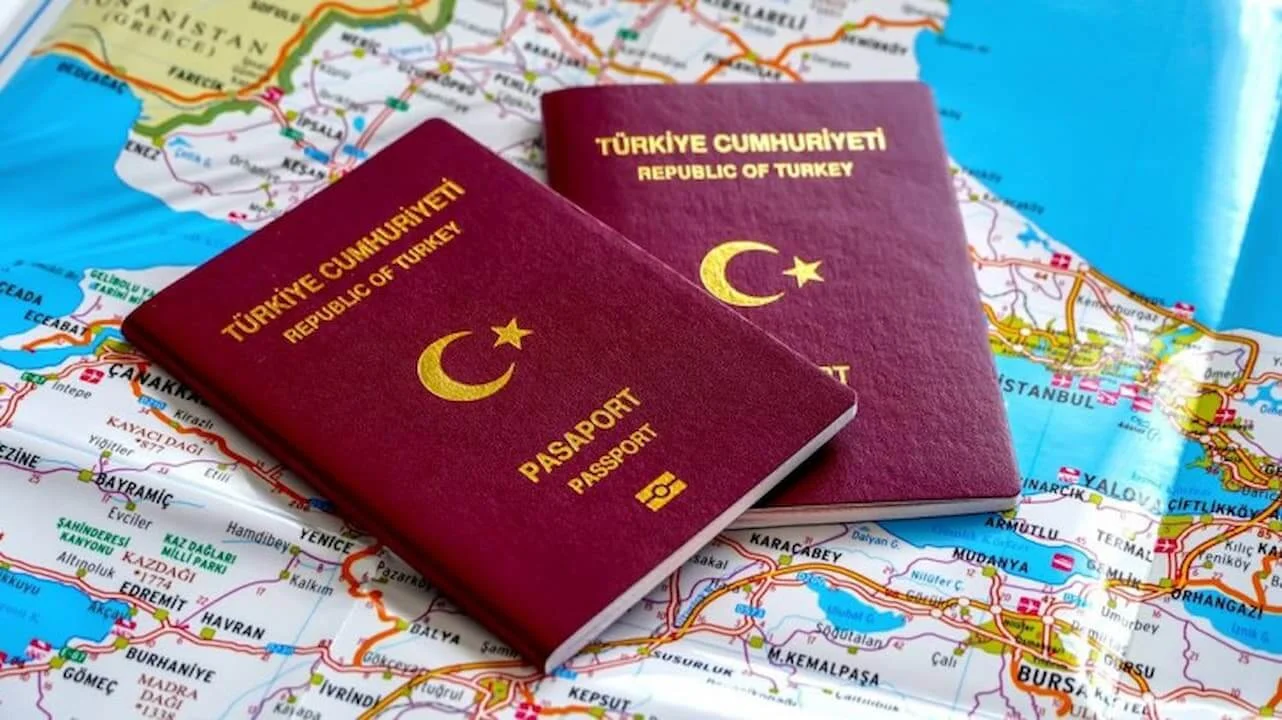
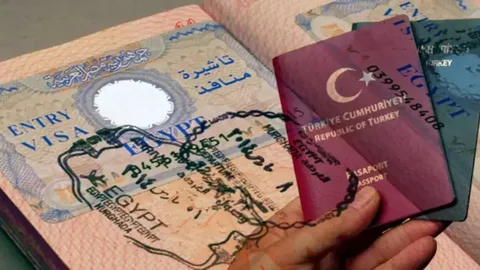
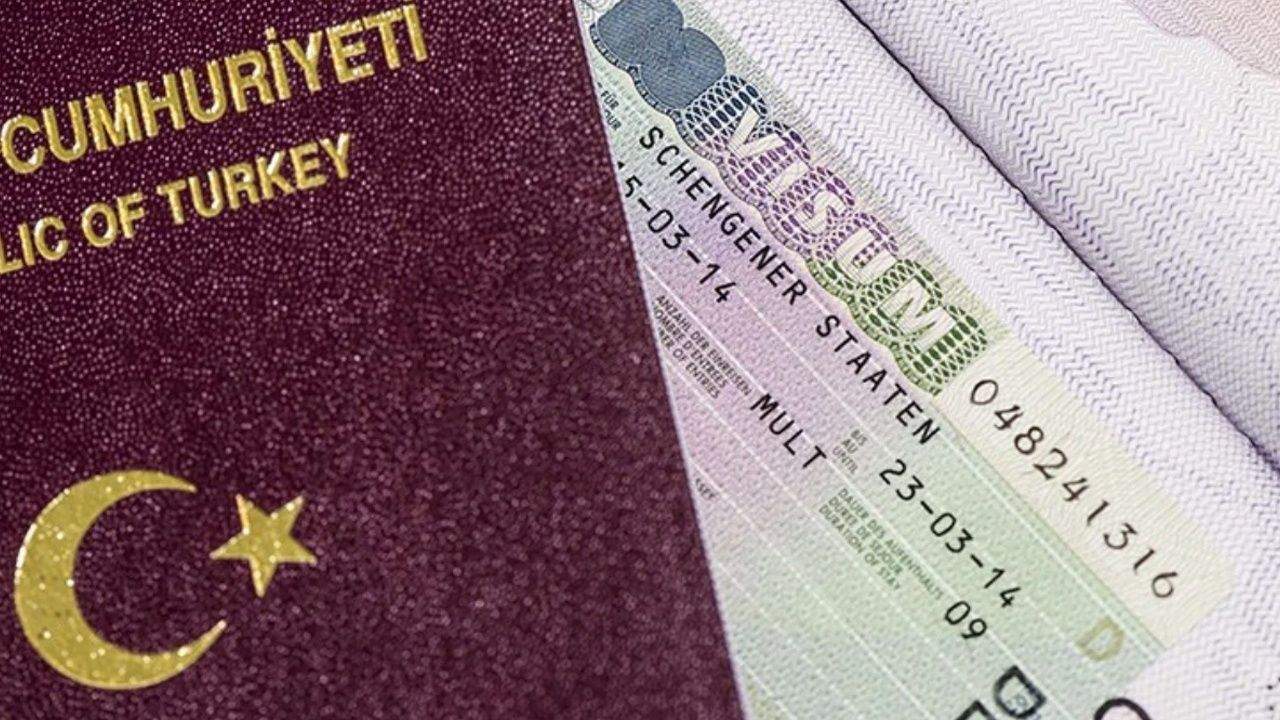
After your trip, the first thing you should do is check your visa duration and how long you stayed in the country. This is vital to avoid violating visa terms. Carefully review the entry and exit stamps in your passport to ensure your visa has not expired. Overstaying can lead to future visa problems and penalties. Always track your stay duration and make sure it aligns with your visa validity. Exceeding visa time may result in fines, re-entry bans, or legal consequences.
If you have overstayed, immediately notify the immigration office or consulate. Submit supporting documents and justifications for your overstay. Without valid reasons, you may face fines or re-entry bans. Write a clear petition explaining your situation to immigration authorities. Being honest and transparent can reduce legal consequences. To avoid such issues in the future, track visa dates carefully and seek professional advice when necessary.
If you need to extend your visa, apply before your visa expires. Prepare the required documents correctly, such as passport, valid visa, biometric photo, travel insurance, and proof of finances. A cover letter stating your reasons can strengthen your case. Renewal, on the other hand, applies after your visa has expired and requires a new application. Fill out the forms carefully and apply early to avoid delays.
After your trip, you may want to claim unused travel insurance premiums or update your policy. Contact your insurance provider to check refund options. If you experienced health issues during your trip, submit claims with documents promptly. For future travels, update or arrange new policies to ensure coverage. Each trip requires a separate insurance policy, so confirm details with your insurer.
Another point to consider is your residence status and tax obligations. Extended stays may affect residency. Check your residence conditions and update your status with local authorities if necessary. Long stays might require extra permits. Tax responsibilities may also change depending on your time abroad. Review your obligations and seek professional tax advice if needed.
After your return, notify immigration authorities and provide proof of re-entry if required. Update any address or contact changes with the relevant offices. Also, consider health notifications, especially if you traveled to regions with infectious disease risks. Undergo health checks and inform local health authorities about your condition. This protects both you and public health.