Long-Term Work Visa Application Process and Required Documents
Uzun süreli çalışma vizesi başvuru adımlarını ve gerekli belgeleri detaylı şekilde ele ala...
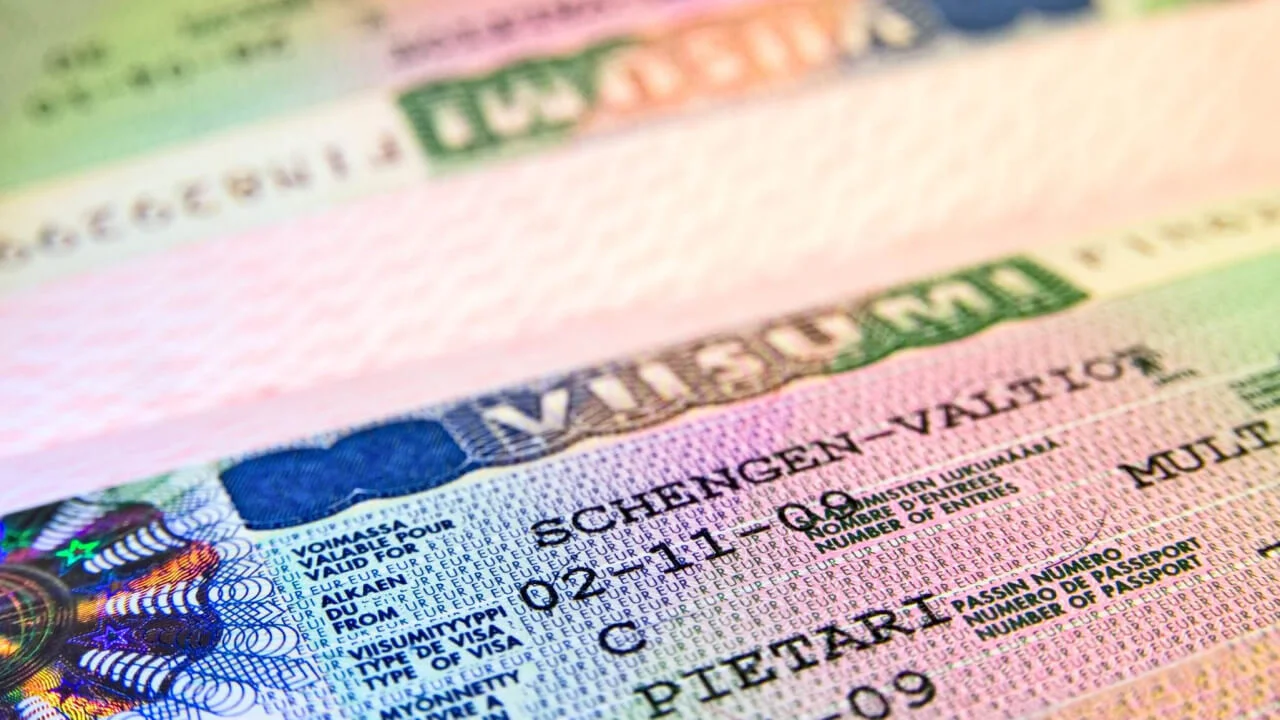
A Schengen visa is a type of visa that allows free travel across 26 European countries within the Schengen Area. With a Schengen visa, travelers are permitted to stay in Schengen countries for up to 90 days within a 180-day period. These countries include popular tourist destinations such as Germany, France, Italy, and Spain. The visa is generally issued for short-term travel purposes such as tourism, business, family visits, or education. The Schengen visa provides great convenience in terms of travel freedom. However, each country may have its own application procedures and requirements, so it is important to conduct thorough research before applying. To successfully complete the application process, all necessary documents must be prepared accurately and completely.
When applying for a Schengen visa, it is essential to prepare all required documents in full. First and foremost, you must have a passport that is valid for at least three more months beyond your intended departure. Additionally, two biometric photographs taken within the past six months and a completed visa application form are mandatory. Travel health insurance with a minimum coverage of €30,000 valid across all Schengen countries is also required. Your file should also include flight reservations and accommodation details to clearly outline your travel plans to the consulate officers. To prove financial means, documents such as bank statements or payslips are necessary. Employees may also need to submit a leave letter from their employer, and students should provide a student certificate or enrollment letter.
The Schengen visa application process follows a step-by-step approach. The first step is to fill out the visa application form accurately and completely. The form includes personal details, travel purpose, and itinerary. It’s crucial to be careful and provide error-free information. The second step involves gathering the required documents, all of which must be up-to-date and original. These documents play a vital role in the evaluation of your application. Once your documents are ready, you need to schedule an appointment at the relevant consulate or visa application center. During the appointment, your biometric data will be collected, and all documents will be submitted for review.
Scheduling an appointment is a key step in the Schengen visa application process. You can make an appointment online through the consulate or the visa application center of the country you are applying to. On the day of your appointment, make sure to bring all required documents with you. During the appointment, your biometric data will be collected, and your application form will be officially submitted. The fingerprinting process is a standard procedure in Schengen visa applications. It is carried out at the visa application center, and once your fingerprints are taken, your application enters the assessment phase. Fingerprints are collected to verify the applicant’s identity and are mandatory for all applicants.
After submitting your application, it’s important to monitor the status of your application. You can track your application online via the consulate or visa application center where you applied. Tracking allows you to see what stage your application is at and stay informed about possible delays. Once your application is finalized, you will be notified whether your visa has been approved or denied. If approved, your passport will be returned with the visa sticker inside. In case of refusal, you will be informed of the reasons and may exercise your right to appeal. Paying close attention to each step of the application process is crucial for a successful outcome.