Long-Term Work Visa Application Process and Required Documents
Uzun süreli çalışma vizesi başvuru adımlarını ve gerekli belgeleri detaylı şekilde ele ala...
Studying abroad offers students unique opportunities. Experiencing different cultures, improving language skills, and gaining an international perspective are the main advantages of studying abroad. Additionally, a diploma from a foreign university can provide a significant career advantage. Building an international network and experiencing different education systems offers important opportunities for personal and professional growth. Studying abroad is also important for developing independence and confidence. Students learn to live on their own and develop the ability to adapt to a new environment. These experiences enhance problem-solving skills and flexibility. Studying abroad is a great opportunity for both academic and personal development.
The type of visa required to study abroad depends on the country and the duration of the program. For example, in the United States, F-1 and J-1 visas are common. The F-1 visa is for students attending academic programs, while the J-1 visa is for exchange programs. In the United Kingdom, the Tier 4 (General) Student Visa is common and required for long-term education programs. In Australia, the student visa is known as subclass 500 and may vary depending on the program type and duration. In Canada, the Study Permit is required for long-term academic programs. Each country has its own visa types and application procedures, so it is important to research the target country’s visa requirements in detail.
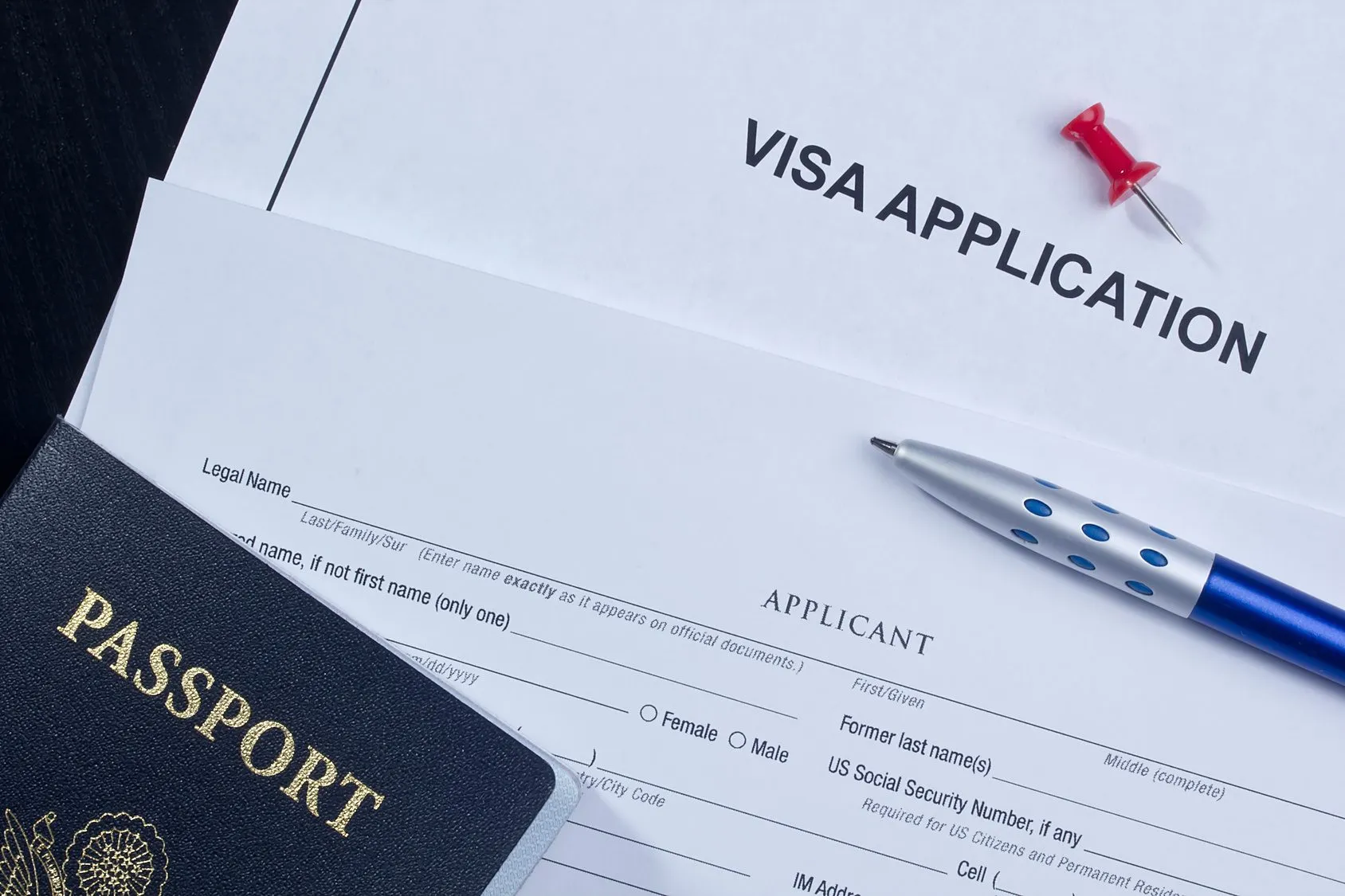
The student visa application process generally follows specific steps. First, the student must obtain an acceptance letter from the educational institution. The acceptance letter serves as the foundation for the visa application, proving that the student is admitted to a specific program and where they will study during the program. A visa application cannot be made without this letter. Required documents include a passport, biometric photo, educational background documents (diplomas, transcripts, etc.), financial documents, and health reports. Some countries may also require proof of language proficiency. For example, studying in the UK may require results from IELTS or TOEFL exams. Preparing all documents correctly ensures a smooth application process.
Students who want to study abroad may need to prove their language proficiency. In English-speaking countries, results from exams such as IELTS or TOEFL are generally required. These internationally recognized exams assess students’ language skills. Language proficiency is important both for academic success and for the visa application. Preparing for language proficiency exams is an important part of the process. Students may attend language courses or study independently to achieve the required score. Additionally, some countries may require other exams, such as the SAT or ACT for undergraduate programs in the US.
For student visa applications, students must demonstrate that they have sufficient financial resources to cover expenses during their studies. This can be proven with bank statements, scholarship letters, sponsorship documents, or student loans. These documents clearly show how the student will cover educational and living expenses. Proving financial stability is crucial for visa approval. Documents must be up-to-date and accurate. Some countries may require a minimum balance in the bank account that is only used for education and living expenses. Providing complete and accurate financial documents increases the likelihood of visa approval.
Many countries require health insurance for student visa applications. This ensures students have access to healthcare during their studies and are not financially burdened in case of health issues. The insurance policy must meet the target country’s requirements. Some countries may require policies from specific insurance providers. In addition to health insurance, some countries have other requirements. For example, in Australia, students may need to undergo health checks and submit results with their application. Similarly, some countries may require a criminal record check to prove the applicant has no past criminal involvement. Fulfilling all requirements is important for a successful visa application.
During the student visa application process, application fees and processing times must be considered. Each country has different visa fees, which are paid as part of the application process. Fees are generally determined by the consulate or embassy and paid when completing the application form. Processing times vary based on the country’s visa policies and application volume. Student visa applications generally take a few weeks to a few months. Applicants should submit their visa applications well in advance of the program start date. If processing times are long, applicants should be patient and monitor the status of their application regularly.
Some countries may require an interview for student visa applications. The interview assesses the applicant’s travel purpose, study plans, and intent to return. It is important to answer questions clearly and accurately. Additionally, all required documents must be presented accurately. After the interview, the application is evaluated by the consulate or embassy. The process considers the applicant’s documents and interview performance. The approval process depends on the country’s visa policies and application volume. Applicants should follow up and submit any additional documents if requested. Once approved, the applicant receives the visa and can study abroad. The student visa application process requires careful attention and management. Preparing all documents correctly, proving language proficiency, financial stability, and health insurance increases the likelihood of approval. Studying abroad offers unique opportunities for personal and professional development. Careful management at each stage is key to a successful visa application.