Long-Term Work Visa Application Process and Required Documents
Uzun süreli çalışma vizesi başvuru adımlarını ve gerekli belgeleri detaylı şekilde ele ala...
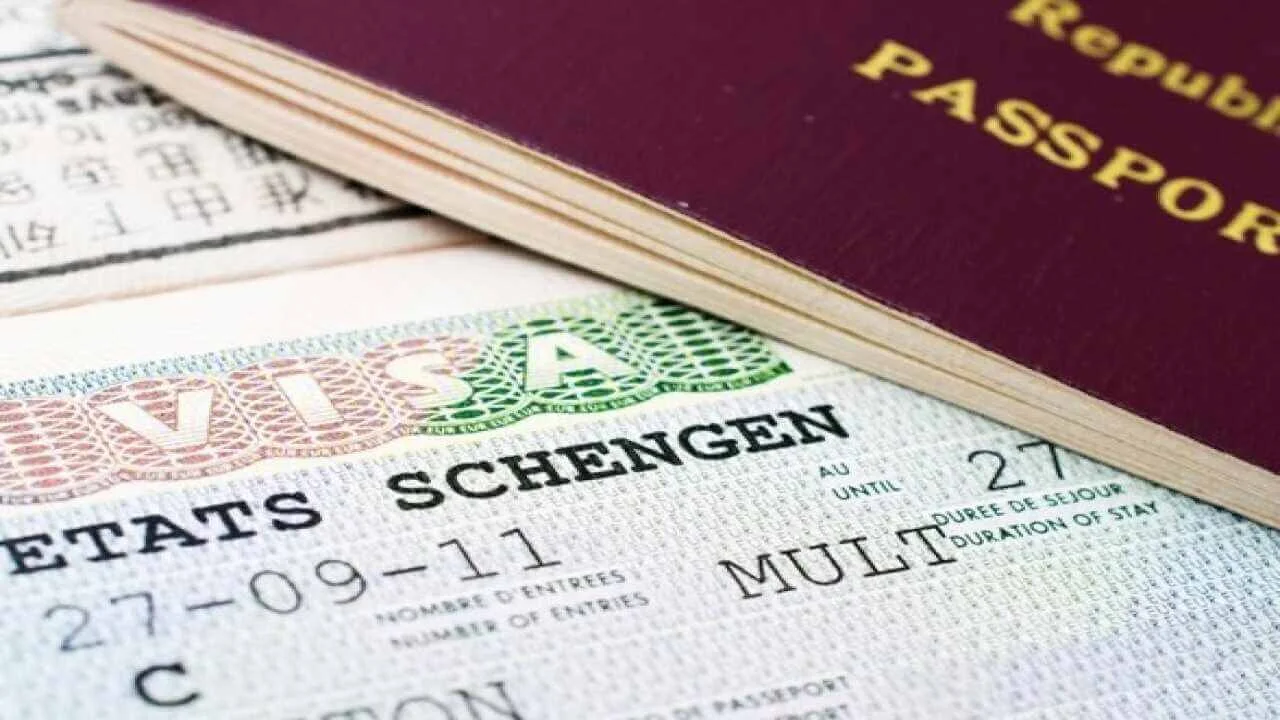
The Schengen visa is a short-term visa that allows free travel within the Schengen Area. The Schengen Area consists of 26 European countries with abolished internal border controls. Popular destinations in this area include Germany, France, Italy, Spain, and the Netherlands. The Schengen visa allows its holder to stay in the Schengen Area for up to 90 days within a 180-day period. This visa can be used for various travel purposes such as tourism, business, family visits, or cultural events. The purpose of the Schengen visa is to enable travelers to move freely within the Schengen Area. It facilitates tourists and businesspeople to visit multiple countries with a single visa. Additionally, this type of visa minimizes time loss and bureaucratic procedures at internal borders. The Schengen visa is an important tool that increases travel freedom and promotes tourism and trade in Europe.
The Schengen visa is divided into various types depending on the purpose and duration of travel. The most common type is the short-term C visa. This visa is used for tourism, business, family visits, and short-term education or research travel. The C visa allows its holder to stay in the Schengen Area for up to 90 days within a 180-day period. A multiple-entry visa allows multiple entries and exits within this period. The long-term D visa is required for long-term stays such as education, work, or family reunification. The D visa is issued for those planning long-term residence in a specific Schengen country and is generally considered a residence permit. Additionally, there is the airport transit visa (A visa) for those making international transit at a Schengen airport. Determining which visa type to apply for depends on your travel purpose and duration of stay.
When applying for a Schengen visa, certain requirements must be met. First, applicants must have a valid passport. Your passport should be valid for at least three months beyond your planned return date and have at least two blank pages. Basic documents such as a biometric photo, application form, and visa application fee are also required. Proof of financial means is important to show you can cover travel expenses. Bank statements, pay slips, or sponsorship letters can be used for this purpose. Travel insurance is also mandatory, covering emergency medical treatment and return costs with a minimum coverage of 30,000 Euros. Meeting all Schengen visa requirements accurately increases the likelihood of a positive outcome.
The Schengen visa application process starts with filling out the application form. The form can be downloaded from the consulate or embassy website of the country you are applying to. Fill it out carefully and prepare the required documents, including passport, biometric photo, travel itinerary, hotel reservations, flight bookings, travel insurance, and proof of financial means. After completing the application form and preparing documents, you need to schedule an appointment. During the appointment, your biometric data (fingerprints and photo) will be collected. Some countries may also conduct an interview, during which you must explain your travel purpose, plans, and intention to return. Being careful and thorough at every stage increases your chance of a successful visa application.
When applying for a Schengen visa, you must present a detailed travel plan. This should include the countries you will visit, travel dates, accommodation arrangements, and planned activities. This shows that your travel is credible and well-planned, increasing the likelihood of approval. Hotel and flight reservations are important supporting documents, clearly showing where you will stay and how you will travel. Clearly indicate your travel purpose and planned activities, such as tourist attractions or events for leisure, or meetings and family visits for business or personal travel. A clear travel plan improves the chance of a successful application.
Applicants must prove they can cover travel expenses. Bank statements, pay slips, or sponsorship letters are used to demonstrate financial independence. These documents should be current and accurate. Bank statements should cover the last six months and show sufficient balance. Pay slips prove a regular income. If sponsored, include a sponsorship letter and sponsor's financial documents. Proof of financial means increases the likelihood of a positive outcome.
Travel insurance is mandatory for Schengen visa applications, covering emergency medical treatment and return costs with a minimum of 30,000 Euros. It must be valid for the entire travel period. Insurance provides financial security during health issues and emergencies, enhancing approval chances. Besides insurance, some countries may require additional documents, such as a criminal record certificate or proof of a valid address for the travel period. Meeting all requirements is crucial for a successful visa application.
Application fees and processing times must be considered. Fees generally range between 60-80 Euros and are paid as part of the process, usually during form submission. Processing times vary based on the country and application volume, typically taking around 15 days, though delays can occur. Applicants should apply well in advance of travel dates and monitor their application status regularly.
Some Schengen visa applications may require an interview to assess travel purpose, plans, and intention to return. Answer questions clearly and provide complete and accurate documents. Prepare for the interview by reviewing your application and supporting documents and anticipating questions. Maintain calm and confident demeanor, make eye contact, and be polite. Adequate preparation increases approval chances.
Applicants must prove their intention to return to their home country after the visa period. Documents showing strong ties such as employment, family, education, or property are required. Supporting documents include work leave letters, proof of family relationships, school enrollment, and property ownership. Proving intention to return increases the likelihood of visa approval. Careful attention to each step is critical for a smooth and successful Schengen visa application, including selecting the correct visa type, preparing documents, completing the form accurately, proving financial means, finalizing travel plans, obtaining insurance, preparing for the interview, and demonstrating intent to return.