Long-Term Work Visa Application Process and Required Documents
Uzun süreli çalışma vizesi başvuru adımlarını ve gerekli belgeleri detaylı şekilde ele ala...
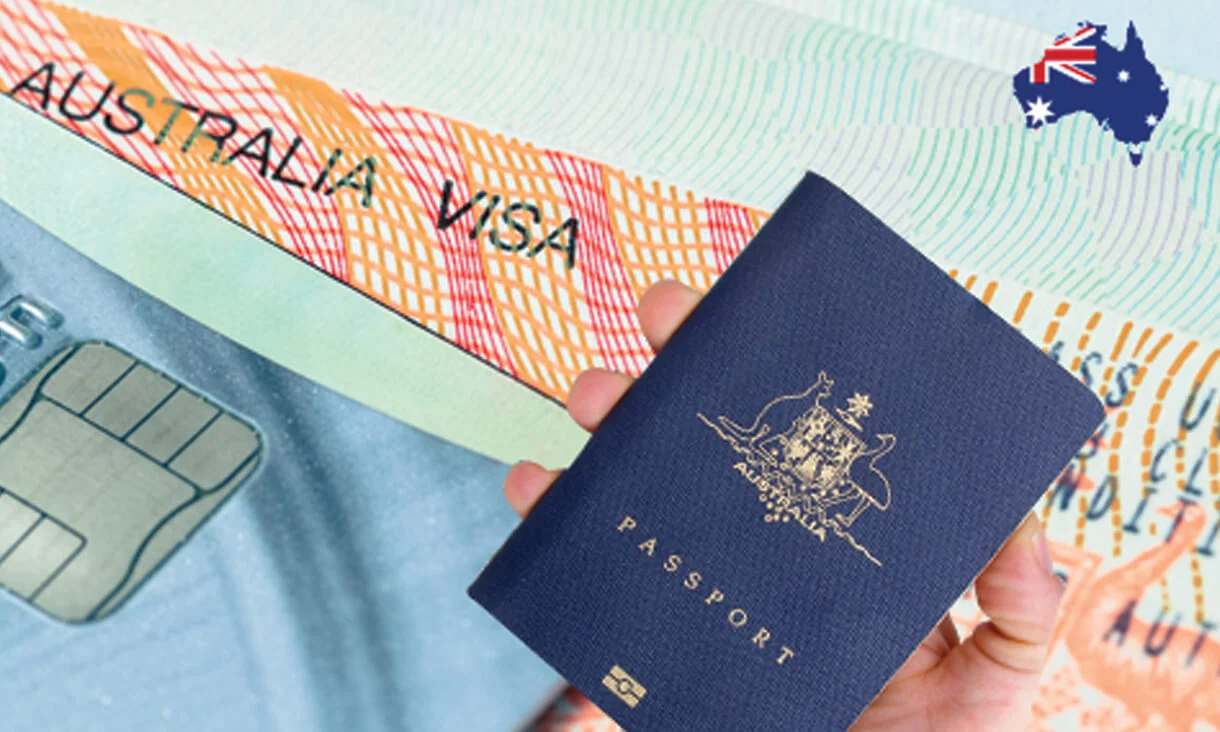
For individuals wishing to travel to Australia, there are various types of visas. These visas are categorized based on your purpose of travel and length of stay. The most common visa types include tourist visa (Visitor Visa - Subclass 600), student visa (Student Visa - Subclass 500), work visa (Temporary Skill Shortage Visa - Subclass 482), family reunion visas, and business visitor visa (Business Visitor Visa - Subclass 600). Each visa type has specific requirements and application processes. The tourist visa is for individuals wishing to visit Australia for tourism purposes. This visa allows you to explore the country, take vacations, and visit friends or family. The student visa is suitable for students attending academic or vocational programs in Australia. Work visas are issued to skilled workers and professionals seeking temporary employment in Australia. Family reunion visas are for individuals wishing to live with family members residing in Australia. Business visitor visas are for attending business meetings, conferences, and other commercial activities.
The Australian visa application process varies depending on the type of visa being applied for. Generally, the process follows specific steps. First, applicants must complete the application form. This form varies according to the visa type and includes personal information, travel plans, and financial details. Required documents include your passport, biometric photos, travel itinerary, accommodation arrangements, proof of financial capacity, and health insurance policy. Your passport must be valid for at least six months beyond your planned return date. Biometric photos must meet specific size and quality requirements. Your travel and accommodation plans should clearly show your purpose and duration of stay. Financial documents must demonstrate sufficient funds to cover your travel expenses.
During the Australian visa application process, visa fees must be paid. Fees vary by visa type and must be paid as part of the application. Fees are usually determined by the Australian Department of Home Affairs and are paid when completing the application form. Fees differ based on the type of visa and applicant status. Processing times vary depending on the visa type and application volume. Australian visa applications are generally processed within a few weeks to several months, though delays can occur. Applicants should apply well in advance of their travel dates and monitor their application status regularly.
Health and character requirements are crucial for Australian visa applications. The Australian government requires applicants to meet specific health and character standards. Health requirements are assessed through medical examinations and reports to ensure applicants do not carry contagious diseases and will not burden Australia’s healthcare system. Character requirements assess the applicant’s criminal history and reliability. Applicants must prove they have a clean criminal record and demonstrate trustworthy behavior. Criminal background checks are key documents in evaluating an applicant’s reliability. Meeting health and character requirements increases the likelihood of a successful visa application.
When applying for an Australian visa, you must provide a detailed travel itinerary. Include travel dates, accommodation arrangements, and planned activities. These details demonstrate a well-planned trip and increase the chances of visa approval. Hotel bookings and flight reservations are important supporting documents. They show where you will stay and how you will travel. Clearly indicate your purpose of travel and planned activities. For tourism, provide details about sightseeing and events. For business or family visits, include information about meetings or family members you will visit. A clear itinerary increases the likelihood of approval.
Applicants must demonstrate they can cover travel expenses. Provide bank statements, payslips, or sponsorship letters as proof. These documents show financial independence and ability to pay for all expenses. Financial documents should be current and accurate, covering the last six months and showing sufficient balance. Payslips prove regular income. If a sponsor is funding your trip, include a sponsorship letter and the sponsor’s financial documents. Demonstrating financial capacity increases the chance of a positive decision.
Applicants must provide biometric data during the visa process. Biometrics include fingerprints and photographs to verify identity. Providing biometrics is an essential part of the application and is done at a visa application center. An appointment must be scheduled for biometric submission. Attending the appointment and providing complete, accurate biometrics ensures smooth processing and validates the applicant’s identity.
Some Australian visa applications require an interview. The interview assesses the applicant’s purpose of travel, plans, and intent to return. Applicants should answer honestly and clearly. Consular officers ask questions to verify the application and understand the travel purpose. During the interview, remain calm and confident. Provide supporting documents, such as employment or school letters, financial proof, and travel plans, to strengthen your case. After the interview, the application is assessed by the consulate or embassy, and the applicant is notified of the visa decision. For a successful Australian visa, attention to detail throughout the application process is crucial. Correctly selecting the visa type, preparing all required documents, completing the application form accurately, proving financial capacity, providing a clear itinerary, meeting health and character requirements, submitting biometrics, and preparing for interviews all increase the likelihood of approval. Carefulness and thoroughness at every step are key to a successful application.